
Last updated November 4, 2026
 Wrought iron
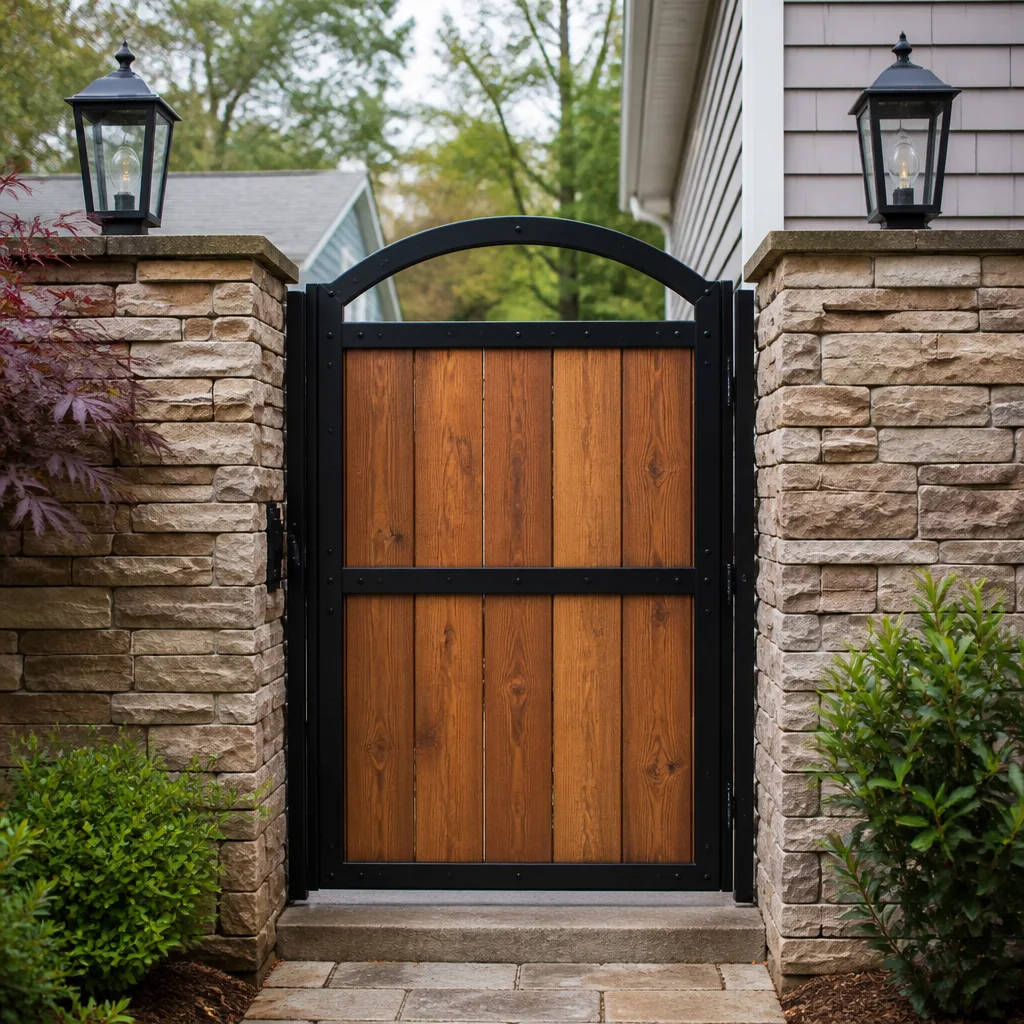 Wood & steel frame
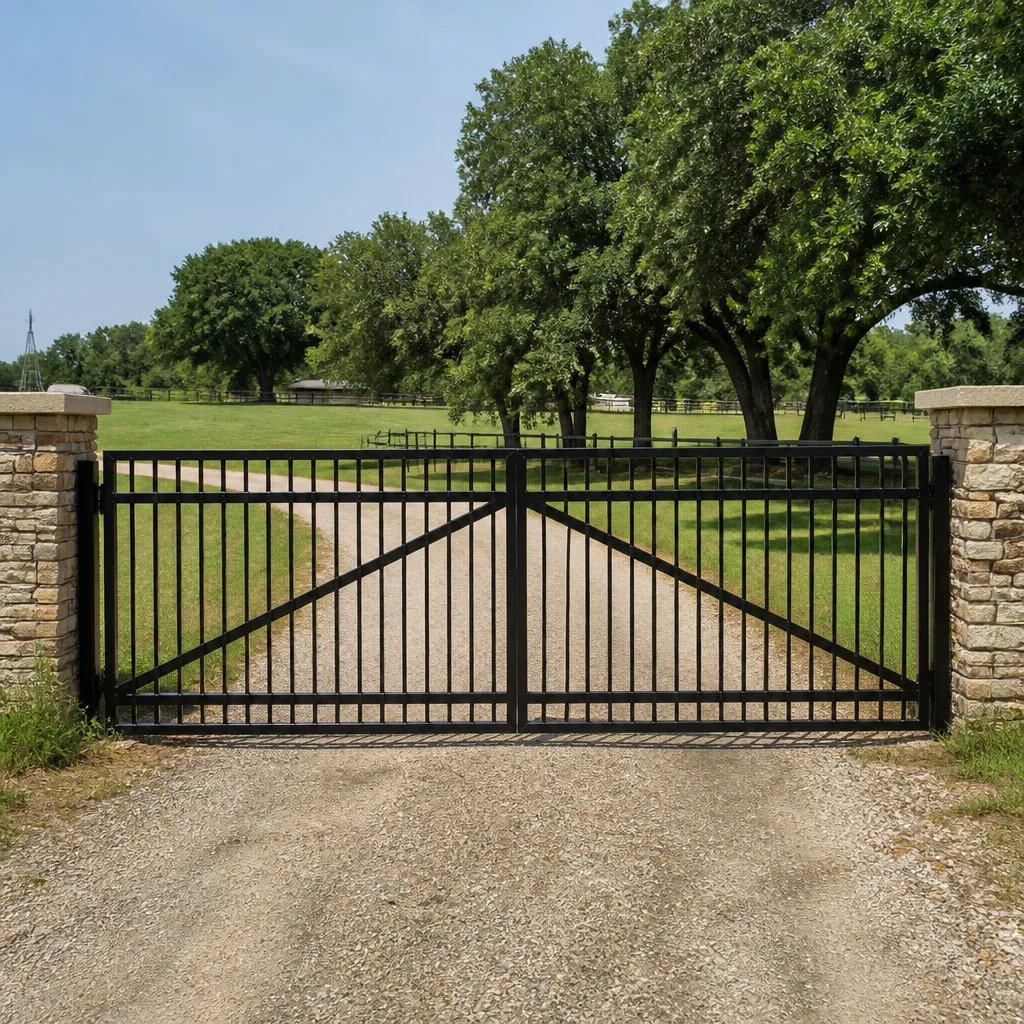 Farm & ranch
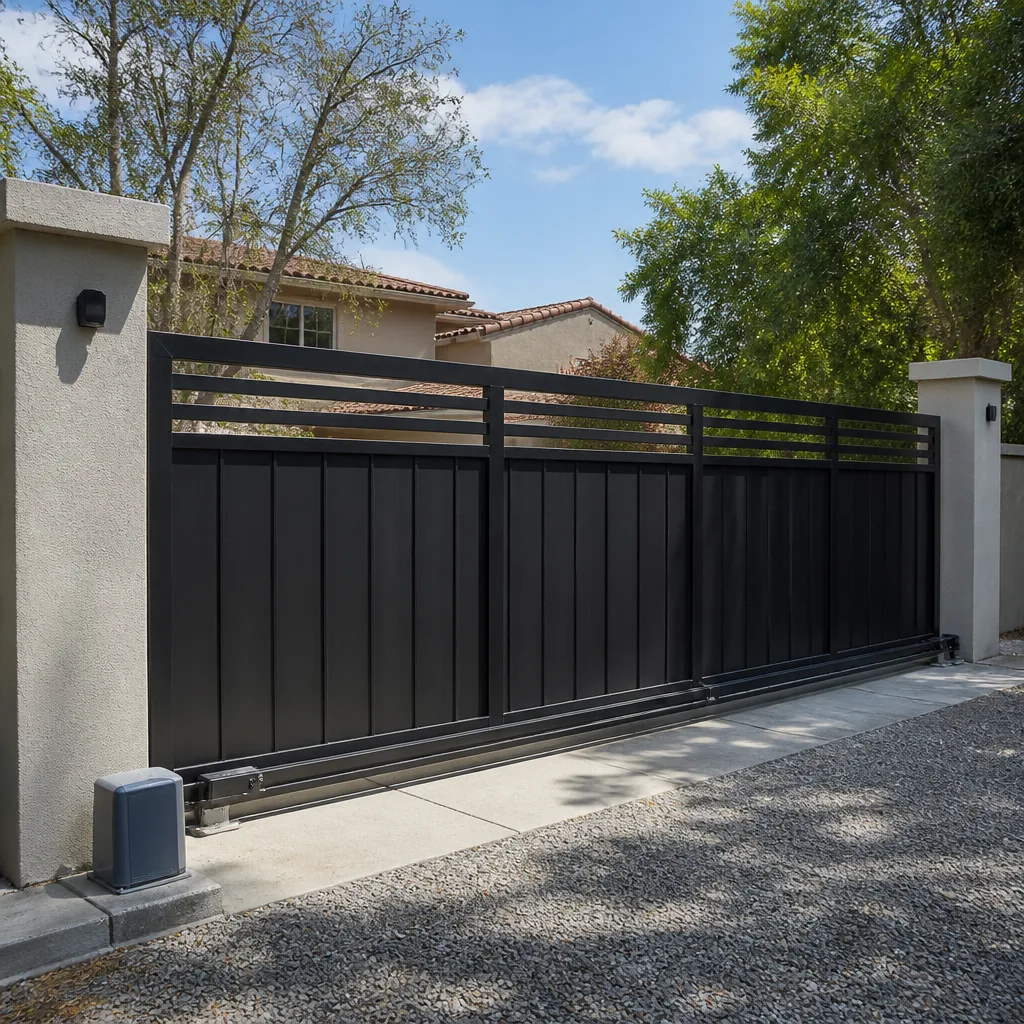 Sliding driveway gates
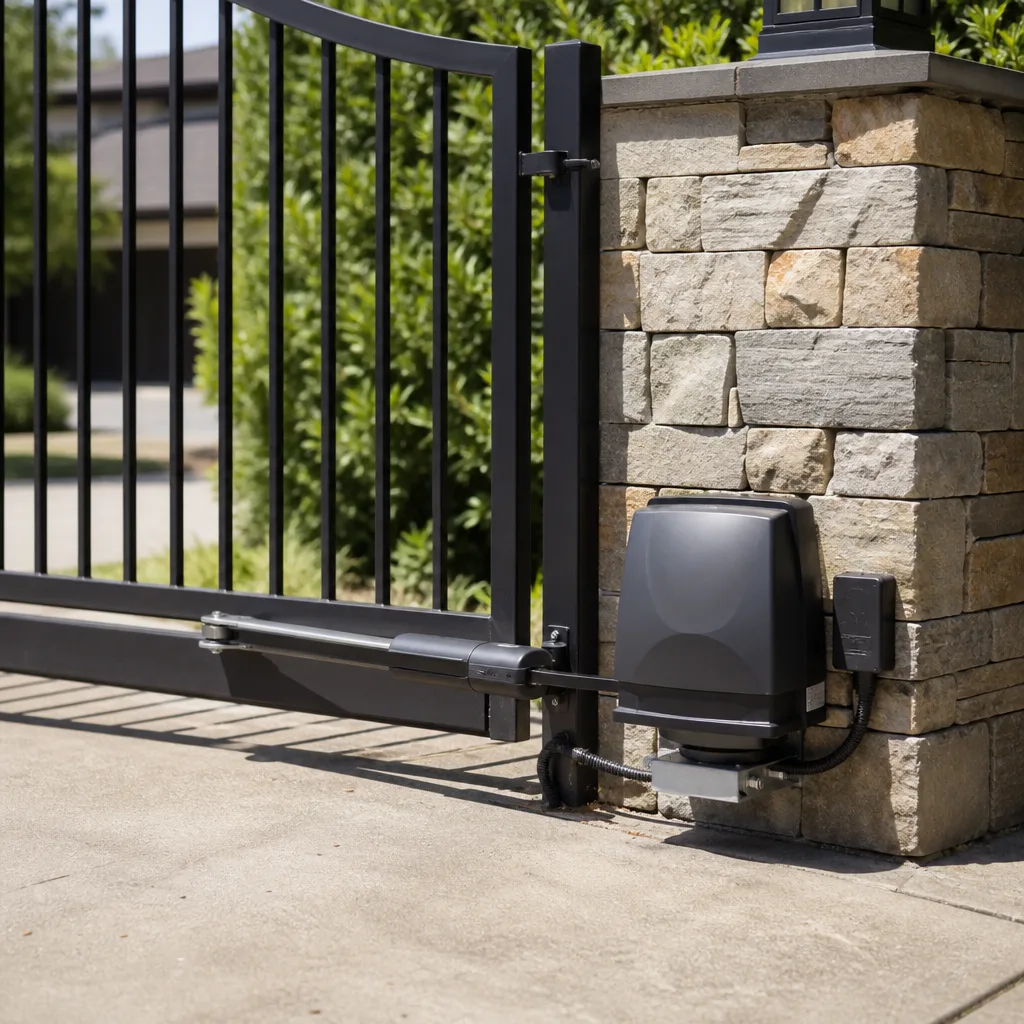 LiftMaster operators
Free on-site gate assessment - hinges, posts, and your LiftMaster or Nice gate operator checked before anything is quoted
The assessment is free and the quote is the invoice.
Get your free estimateGate Repair Emergency Preparedness Guide for Eastvale Homes
Most Eastvale homeowners discover how much they rely on their automatic gate at exactly the wrong moment. It’s usually 11 PM on a Sunday, the gate is either stuck open with no way to secure the property, or stuck closed with cars trapped on both sides. The first call goes to whoever answers the phone fastest. The second call, about two hours later, is to us, because the first technician couldn’t bypass a brand-specific lock they’d never seen before. This guide explains the difference between a security emergency and an access emergency, what to do immediately after each type of failure, which manual release steps actually work on the major brands, and how to give a phone technician the five pieces of information that determine whether they bring the right parts the first time. Eastvale’s mix of newer single-family developments, gated communities, and commercial properties means a lot of different gate systems in one compact area, and knowing which one you have before it fails saves hours of frustration later.
Styles & brands we work with
- Wrought iron
- Wood & steel frame
- Farm & ranch
- Sliding driveway gates
- LiftMaster operators
Quick Answer
For an Eastvale home with a failed automatic gate, the first correct action depends on the gate’s position: a gate stuck open is a security emergency requiring immediate temporary barricading and a same-day service call, while a gate stuck closed is an access emergency that may be safely resolved with a brand-specific manual release procedure. Call (855) 601-8166 for a free estimate. We answer 24/7. Fast dispatch from 7am to 7pm, Sunday through Friday. The manual release steps for DoorKing, LiftMaster, Ghost Controls, Elite, and Mighty Mule systems are not identical, and using the wrong sequence on a powered-down unit can damage the operator and leave you more stuck than before.
Table of Contents
- The Two Types of Gate Emergencies: Security vs. Access
- Stuck-Open Protocol: Securing a Gate That Won’t Close
- Stuck-Closed Protocol: When Manual Release Is Safe
- Manual Release Procedures by Gate Brand
- Building an Emergency Gate Kit for Eastvale Homes
- The Five Questions Every Gate Technician Wishes You Could Answer
- Common Mistakes to Avoid in a Gate Emergency
- When to Call a Professional Gate Specialist
- Frequently Asked Questions
- The Bottom Line
The Two Types of Gate Emergencies: Security vs. Access
A gate failure is not one problem. It’s two opposite problems wearing the same costume. The distinction matters because your first move should be different in each case, and taking the wrong first move can turn a $200 repair into an $800 one.
A stuck-open gate is a security emergency. The barrier that keeps unauthorized vehicles, solicitors, and sometimes wildlife out of your property is now an open doorway. In Eastvale, where many homes sit on larger lots with RV access or pool equipment visible from the street, an open gate broadcasts that the property is unsecured. On commercial properties, a stuck-open barrier arm or slide gate means the controlled access point is no longer controlled. Your immediate priority is not fixing the gate. It’s temporarily securing the opening.
A stuck-closed gate is an access emergency. Nobody gets in, nobody gets out. For a homeowner, that might mean a car trapped in the driveway at 7 AM on a school day. For an HOA or commercial property, it means delivery trucks stacking up, employees unable to park, and residents calling the management office in waves. Your immediate priority here is determining whether the gate can be safely released manually without damaging the operator, the track, or the gate itself.
Confusing the two leads to the wrong action. We’ve had Eastvale calls where a homeowner tried to manually force a stuck-closed slide gate off its track to get a car out, then found out the gate motor had disengaged, the cantilever was off its rollers, and the repair cost had doubled. The first question to ask yourself when the gate stops: Is it stuck open or stuck closed? That single answer tells you which protocol to follow.
Why Gate Type Changes the Emergency
- Slide gates: Heavy steel or iron panels on rollers. When stuck open, the track is exposed and the opening is wide. When stuck closed, forcing the panel by hand can lift it off the track. Both scenarios require understanding the motor’s disengagement point.
- Swing gates: Single or double leaf on hinges. Stuck closed is usually manageable with a manual release. Stuck open can be hard to move because the leaf is heavy and the operator arm may be pinned.
- Barrier arms: Common on Eastvale commercial lots, churches, and some HOA entries. These fail open more often than closed, and the arm itself is light enough to move by hand once the motor is released, but the spring mechanism can surprise you if you’re not expecting the tension.
Each type has a different manual release point, different failure modes, and different temporary security options. The rest of this guide walks through each.
Stuck-Open Protocol: Securing a Gate That Won’t Close
When an automatic gate fails in the open position, your property is only as secure as the next best barrier. In Eastvale’s gated communities and larger estate lots, that’s often nothing. The gate was the barrier. Here’s what to do while you wait for a technician.
Immediate Step: Try the Obvious Resets First
- Check the power source. Look for a tripped breaker or GFCI outlet near the operator. Many Eastvale homes have the gate circuit on a dedicated breaker in the main panel or a subpanel near the driveway. Reset it once. If the gate closes and stays closed, you’ve bought yourself time to schedule a proper inspection.
- Check the photo eyes. Sensors at the base of the gate or on the posts can be knocked out of alignment by a mower, a car bump, or a wind gust. If the sensor lens is dirty or pointed slightly off, the gate will refuse to close because it thinks something is in the path. Wipe the lens, realign until the indicator light goes steady, and try again.
- Look for a physical obstruction. A branch, a rock, a child’s toy, or a trash can lid sitting in the track will stop a slide gate cold. Remove it and test the close cycle.
- Try the manual close. If the operator is dead and power isn’t the issue, use the manual release procedure for your brand (covered below) to move the gate to the closed position by hand. Lock it in place if the system has a locking pin or manual lock. Many Eastvale gates have a steel drop pin or a chain-and-padlock option for this exact scenario.
Temporary Security Measures While You Wait
If the gate won’t stay closed and a technician can’t arrive until later, do not leave the property wide open. Eastvale’s residential streets are quiet during the day but an open driveway on a Sunday night is an invitation. Here’s what actually works:
- Close and chain the gate manually if possible. Even a dead motor can hold a properly chained slide gate in the closed position. Use a heavy chain through the gate frame and around a fixed post. For swing gates, a steel bar across both leaves or a drop pin through the latch point holds them shut.
- Block the opening with a vehicle. Park a car perpendicular across the driveway entrance if chaining isn’t possible. It’s not elegant, but it stops a car from driving onto the property.
- Use temporary barrier tape and cones if the opening is a vehicle access only. For commercial barrier arms stuck open, placing cones and caution tape across the lane slows traffic and signals that access is closed. It won’t stop a determined driver, but it deters casual turn-ins.
- Alert neighbors in the immediate area. In gated Eastvale communities, your open gate may be part of a shared perimeter. A quick message to the neighbor on each side or the HOA manager (if applicable) means extra eyes on the opening.
Do not try to weigh down a barrier arm with sandbags or rope it to a post under tension. The arm’s motor and spring system can fail unpredictably, and the arm itself can swing hard enough to damage a car or injure a person. The safest temporary measure for a commercial arm is cones and a parked vehicle.
Stuck-Closed Protocol: When Manual Release Is Safe
A gate stuck closed means you have an access problem. Before you touch anything, ask one question: Is anything pressing against the gate? If a car is in contact with the gate panel, even lightly, do not attempt to move it. The panel is under load, and releasing the motor or forcing the gate can cause the panel to swing or slide suddenly. Move the car first if it’s safe to do so.
Once the gate is clear, determine what kind of gate you have. Swing gates are the most forgiving. Slide gates are the most dangerous to force. Here’s the breakdown:
Swing Gates: Usually Safe to Release Manually
A swing gate leaf hangs on hinges. When the operator releases, the gate becomes a heavy door on hinges. You can push it open or closed by hand in most cases. The operator arm may need to be disconnected at the gate bracket or released at the motor, depending on the brand. Work slowly and keep hands away from the hinge side. If the gate is a double leaf, move both leaves together to avoid binding.
Slide Gates: Proceed With Caution
Slide gates, especially cantilever and V-track models, carry their weight on rollers. A stuck-closed slide gate may be stuck because a roller has failed, the track is obstructed, or the motor has seized. Forcing the gate by hand can:
- Lift the panel off the track, leaving you with a gate that needs to be winched back into position.
- Damage the rack gear or chain drive if the motor hasn’t fully disengaged.
- Bend the gate frame if the panel binds against a post or guide roller.
If your slide gate won’t move after the manual release is engaged, stop. Call a technician. The cost of a track realignment or a replacement roller in Eastvale is a fraction of the cost of repairing a bent frame or a stripped rack.
Barrier Arms: Release and Lift
Barrier arms are the easiest to release. Most have a manual release lever or a spring-assisted lift. Once released, lift the arm by hand and secure it in the vertical position if the mechanism allows. The arm is lighter than it looks but the spring can resist, so lift from the end of the arm, not near the pivot.
Manual Release Procedures by Gate Brand
This is where most generic gate advice falls apart. Every gate brand has a slightly different manual release mechanism, and some require a sequence that’s not obvious if the power is out. We work on nine brands across gate repair calls in Eastvale, but for this guide we’ll cover the four residential brands we see most often in local driveways: DoorKing, Ghost Controls, Elite, and Mighty Mule. A note before we start: if your gate has a magnetic lock or an electric strike in addition to the operator, the manual release on the motor may not be enough. The lock must also be released or physically disengaged.
DoorKing Manual Release
- Locate the operator housing. On slide gates, it’s a beige or gray metal box near the gate’s fully-open position. On swing gates, it’s mounted near the hinge post or at the base of the gate.
- Open the housing with the key. DoorKing operators use a chrome or brass key switch on the front of the housing. If you don’t have the key, a technician can open it from the inside, but most homeowners keep a key on the emergency kit ring.
- Inside the housing, find the manual release handle. On slide gate operators it’s a small flat lever or a T-handle near the motor. On swing operators it’s a lever that disengages the gearbox from the output shaft.
- Pull the lever or rotate the T-handle until you feel the motor disengage. The gate is now free to move by hand. This works even with no power because it’s a mechanical linkage, not an electronic one.
- Move the gate slowly. On DoorKing swing operators, the gate may be heavy; use two hands. On slide gates, walk the panel along the track and watch the rollers.
DoorKing’s release is on the operator itself, not on the gate. That’s the detail that trips up technicians who mostly work on residential openers. If the manual release lever won’t move, the gearbox may be under load from a misaligned gate. Don’t force the lever. Call a technician.
Ghost Controls Manual Release
- Find the release mechanism at the end of the operator arm where it connects to the gate bracket. Ghost Controls arms have a spring-loaded release pin or a pull ring at the gate end.
- Pull the release pin or ring out and away from the gate. You should feel the arm free itself from the gate bracket.
- Swing the gate by hand to the position you need.
- To re-engage, push the gate back to its fully-closed position and the pin should snap back into the bracket. If it doesn’t line up, you may need to slightly adjust the gate by hand while guiding the pin.
Ghost Controls is designed for DIY installation, so the release is generally straightforward. The most common failure we see is the pin getting stuck because the gate has shifted slightly out of alignment. A little side pressure on the gate while pulling usually releases it.
Elite Manual Release
- Elite operators use a front-mounted manual release cover or a keyed release depending on the series. Look for a circular cap or a keyed slot on the operator housing.
- Remove the cap or insert the key and rotate. The release disengages the internal gearbox.
- For slide gates, the Elite release may also disengage the chain drive. The gate moves freely once the chain is not under motor tension.
- Move the gate by hand. Re-engage by reversing the release action and cycling the motor once with the remote if power is available.
Elite operators are common on Eastvale ranch properties and agricultural gates. The release mechanism varies more between Elite models than it does between Ghost Controls models, so if you don’t see an obvious release, check the manual or call before forcing anything.
Mighty Mule Manual Release
- Locate the release handle on the operator arm. Mighty Mule swing operators have a small metal handle or a release knob near the motor housing.
- Pull the handle or knob. You’ll hear a click as the actuator disengages.
- The gate is now free to move. Push it slowly.
- To re-engage, push the handle back to its original position. Some Mighty Mule models require you to cycle the remote once to re-lock the actuator.
Mighty Mule openers are popular in Eastvale because they’re affordable and simple to install, but the release handle is small and easy to miss in the dark. Keep a flashlight in your gate emergency kit, and locate the handle during daylight hours before you ever need it.
Building an Emergency Gate Kit for Eastvale Homes
An emergency gate kit is not a repair toolkit. It’s a prepared box of items that make any gate emergency faster and safer to resolve, whether you’re handling it yourself or waiting for a technician. In Eastvale, where summer heat can hit triple digits and winter brings occasional heavy rain, the kit should live in a garage cabinet, not in a car trunk where temperatures fluctuate.
Here are the four physical items and two pieces of documentation we recommend for every Eastvale homeowner with an automatic gate:
The Four Physical Items
- A heavy-duty flashlight or headlamp. Gate failures don’t wait for daylight. The manual release on a Gate Repair Eastvale visit is easier to find at 2 PM than 2 AM. Get a flashlight with a magnetic base so you can stick it to the gate frame and use both hands.
- A pair of work gloves. Gate frames have sharp edges, hot metal in summer, and grease on the motor housing. A $12 pair of leather or heavy-duty synthetic gloves prevents a lot of scrapes and burns.
- A heavy chain and padlock, or a steel drop pin. For a gate stuck open, this is your temporary security. For a swing gate, the chain wraps through the frame and around a fixed post. For a slide gate, the drop pin or a chain through the rack keeps the panel stationary. Buy a chain long enough to wrap around your largest gate member and a post with room to spare.
- Spare sensor batteries (for wireless sensors) and a can of compressed air. Many Eastvale gates use wireless photo eyes or edge sensors. Dead batteries are a common failure point. A can of compressed air cleans dust from sensor lenses and control board contacts without risk of moisture damage.
The Two Pieces of Documentation
- The gate operator’s model number and brand, written down. Stored in a labeled envelope in the kit. When you call a technician, they’ll ask what brand and model you have. Being able to say “Ghost Controls R20, swing arm” saves a call-back and a wasted trip. Take a photo of the model plate on the operator and print it, then keep the print in the kit. Phone screens die, but paper doesn’t.
- The manual release instructions for your specific brand. Print the relevant page from the owner’s manual or write the steps out by hand. In an emergency, you won’t remember that the DoorKing release is inside the housing with a key, but the Mighty Mule release is a handle on the arm. The printed sheet saves you twenty minutes of fumbling in the dark.
Keep the kit together. A plastic ammo box or a small tool bag works. The whole thing costs under $60 and takes an hour to assemble. In the middle of a 11 PM gate failure, it’s worth its weight.
The Five Questions Every Gate Technician Wishes You Could Answer
When you call a gate specialist from Eastvale, the phone conversation shapes the entire service visit. The technician is deciding what parts to bring, what tools to load, and how long the job will take. The more precise you are, the more likely the fix happens in one trip. Here are the five questions you should be ready to answer, and why each one matters.
- “What brand and model is your gate operator?” The model number is stamped on a metal plate or a sticker on the operator housing. It matters because Ghost Controls uses different arms and mounting hardware than DoorKing, and an Elite slide gate operator uses different internal parts than a Mighty Mule swing arm. A technician who knows the model can often diagnose the problem over the phone and bring the right part.
- “What exactly is the gate doing, or not doing?” “It’s broken” is not diagnostic. “The gate opens halfway and stops” is a different problem than “the gate beeps but doesn’t move” or “the gate opens but won’t close.” Notice the sounds, the partial movements, and the irregular behavior. Write it down if you need to. The specific symptom narrows the problem from twenty possibilities to three.
- “Is the gate stuck open or stuck closed?” This tells the technician whether you’re dealing with a security emergency or an access emergency, which changes what they bring and how they prioritize the call. It also tells them whether you may have already tried a manual release, which affects the repair approach.
- “Has anything changed recently with the gate or the property?” A new intercom, a landscaping crew that worked near the gate, a car that backed into the post, a recent power outage, or a changed remote code. Gate problems rarely appear from nowhere. The event that preceded the failure is often the cause.
- “Is there power to the operator?” Check the breaker. Check the GFCI outlet near the gate. If the operator has a small indicator light, is it on? If you can test another outlet near the gate with a lamp or a phone charger, do it. Knowing whether the operator has power eliminates half the diagnostic tree before the technician even arrives.
A homeowner who can answer these five questions is rare. A homeowner who can answer them quickly gets faster service, because the technician arrives with the right parts and the right plan. When you call Gate Repair Eastvale, having this information ready means the difference between a same-day fix and a second trip.
Common Mistakes to Avoid in a Gate Emergency
- Forcing a slide gate off its track. A stuck slide gate panics people. The instinct is to push it like a heavy shopping cart. But a slide gate that’s stuck on a failed roller or a seized motor will not move smoothly. Forcing it lifts the panel off the track, bends the frame, and strips the rack gear. The $300 roller replacement becomes a $1,200 track and frame repair. If it won’t move after the manual release, stop.
- Assuming the manual release is the same across brands. We’ve had Eastvale calls from homeowners who watched a YouTube video for a Ghost Controls release and tried to apply it to a DoorKing operator. The release is in a different place, needs a key, and works on a different mechanism. Ignoring brand-specific steps can break the release lever or leave the gate half-disengaged, which is more dangerous than being fully engaged.
- Ignoring the magnetic lock. Some Eastvale gated entries have both an operator and a magnetic lock or electric strike. The operator release does nothing if the lock is still engaged. You can burn out the operator or damage the lock by running the motor against a locked gate. Know whether your system has a separate lock before the emergency.
- Leaving a stuck-open gate unsecured overnight. An open gate on a dark street is an invitation. Even a chained gate is better than an open one. A parked car across the entry is better than neither. Take the ten minutes to secure the opening before heading inside.
- Calling a general handyman instead of a gate specialist. Gate systems are not general maintenance. The electrical side, the mechanical side, and the safety sensors are a single integrated system. A handyman who fixes fences won’t know the Ghost Controls release from the DoorKing one. In Eastvale, where gate systems range from DIY Mighty Mule openers to commercial DoorKing and Viking automation, a gate-only specialist is the difference between a fix and a guess.
- Not testing the gate after a power outage or storm. After a heavy rain or a wind event, walk out and cycle the gate with the remote. Watch the rollers, listen to the motor, and check that the sensors are still aligned. A small issue caught early is a repair call. A small issue left alone becomes a 11 PM emergency.
When to Call a Professional Gate Specialist
Some gate problems are safe to investigate and even fix yourself. A dead battery in the remote, a tripped breaker, a twig in the track. Those are homeowner-level issues. Other problems require a specialist, and trying to fix them yourself can make the problem worse and put you at risk.
Call a professional if the gate motor makes a grinding noise, the gate moves unevenly or jerks, the operator housing smells like burned plastic, the manual release won’t engage, the gate has come off its track or off its hinges, the control board shows error codes you don’t recognize, or any part of the wiring looks frayed, melted, or exposed. These are signs of mechanical or electrical failures that need trained eyes and the right parts.
For electric gate repair in Eastvale, the safe move is to call a specialist before the gate injures someone or damages a vehicle. Gate Repair Eastvale offers free estimates in Eastvale – call (855) 601-8166. We answer 24/7. Fast dispatch from 7am to 7pm, Sunday through Friday.
Frequently Asked Questions
Emergency gate repair costs vary depending on the gate type, the brand, and the specific failure, so a written estimate is the only reliable number. Simple fixes like a sensor realignment or a remote reprogramming are less expensive than a motor replacement or a track realignment. The price is always set by the written estimate before any work starts. Call (855) 601-8166 for a free estimate – we’ll quote the job before we begin.
Yes, same-day service is available for gate emergencies throughout Eastvale. Call (855) 601-8166. We answer 24/7. Fast dispatch from 7am to 7pm, Sunday through Friday. We work on all major gate brands including Ghost Controls, DoorKing, Elite, and Mighty Mule, so the technician arrives with the right diagnostic approach for your system.
First, secure the opening as best you can: chain the gate closed if possible, park a vehicle across the entry, and use cones or tape for a barrier arm. Then call (855) 601-8166. We answer 24/7. The next available dispatch will be scheduled for Sunday through Friday, 7am to 7pm. In the meantime, do not attempt to force a slide gate or a barrier arm under motor tension.
Yes, every automatic gate has a manual release mechanism, but the location and procedure differ by brand. DoorKing releases are inside the operator housing and require a key. Ghost Controls and Mighty Mule releases are on the operator arm. Elite releases vary by model. If you’re not sure of the procedure for your brand, call first – forcing the wrong mechanism can damage the operator.
We service nine gate brands across residential and commercial systems in Eastvale: LiftMaster, FAAC, BFT, Linear, Viking, Ghost Controls, DoorKing, Elite, and Mighty Mule. That range covers everything from DIY-grade residential openers to premium European automation. We work on your brand, whatever it is, from the motor to the hinge.
Yes. A gate stuck open removes the security barrier from your property, and in Eastvale that often means an unsecured driveway, exposed equipment, and an open sightline into your home or business. Secure the opening immediately and call (855) 601-8166 for a free estimate. We answer 24/7, with fast dispatch from 7am to 7pm, Sunday through Friday.
The Bottom Line
A gate emergency in Eastvale is either a security problem or an access problem, and knowing which one you’re facing is the first correct step. Stuck open means secure the opening first and call for same-day service. Stuck closed means determine your gate type, use the brand-specific manual release if safe, and stop if the gate resists. Every gate brand releases differently, so know your brand and model before you need it. Keep a small emergency kit with a flashlight, gloves, a chain, and your operator’s documentation. When you call a technician, answer their five questions and you’ll get faster, more accurate service. For free estimates and gate-only expertise across all nine major brands in Eastvale, call Gate Repair Eastvale at (855) 601-8166. We answer 24/7. Fast dispatch from 7am to 7pm, Sunday through Friday. The price is quoted and agreed before any work starts.
Written by the team at Gate Repair Eastvale, serving Eastvale since 2014.
See the difference
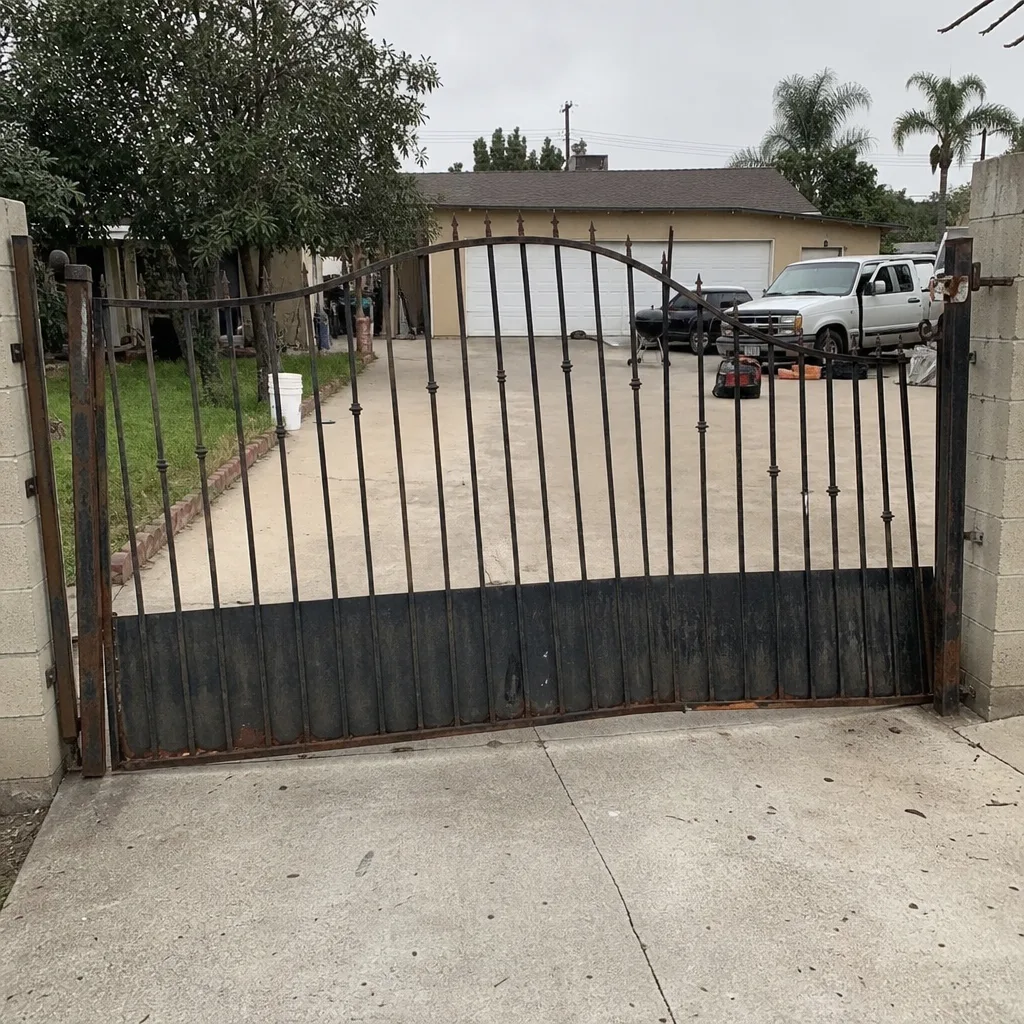 Before
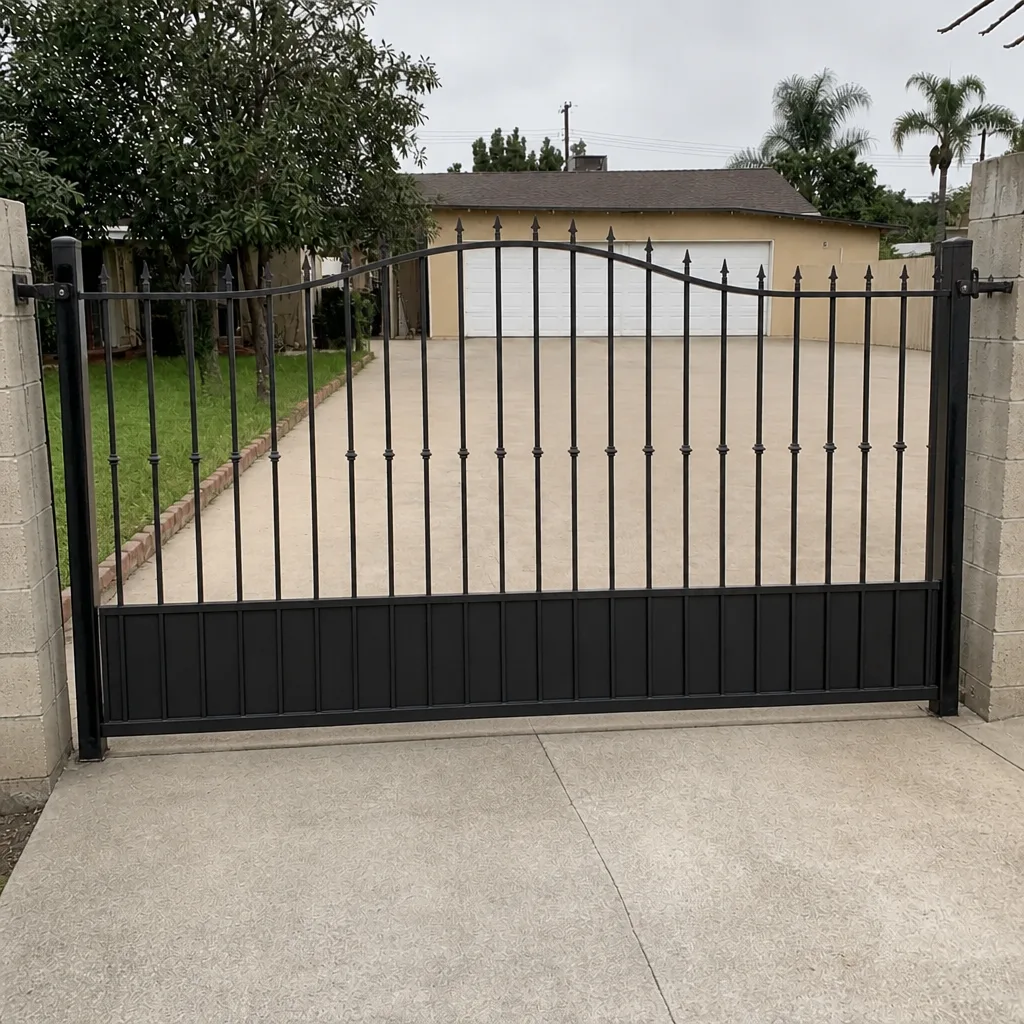 After
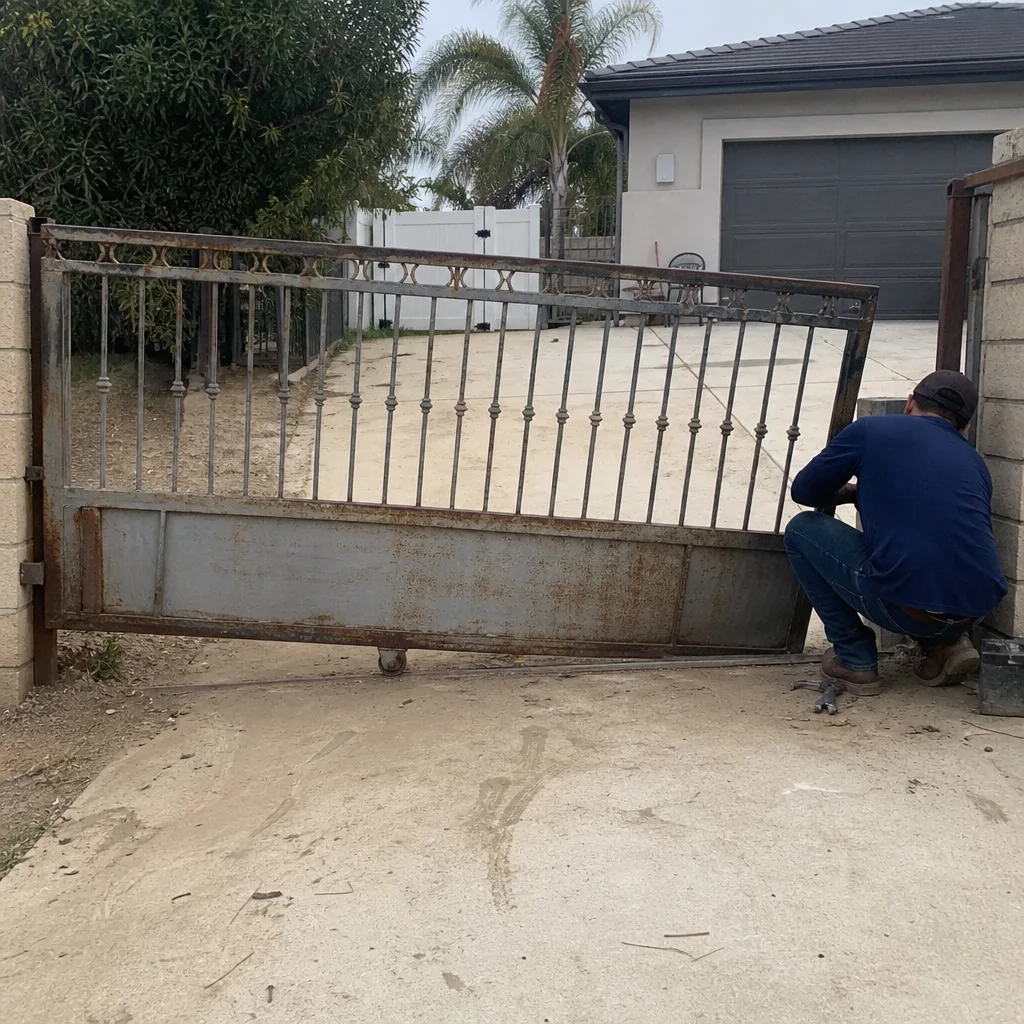 Before
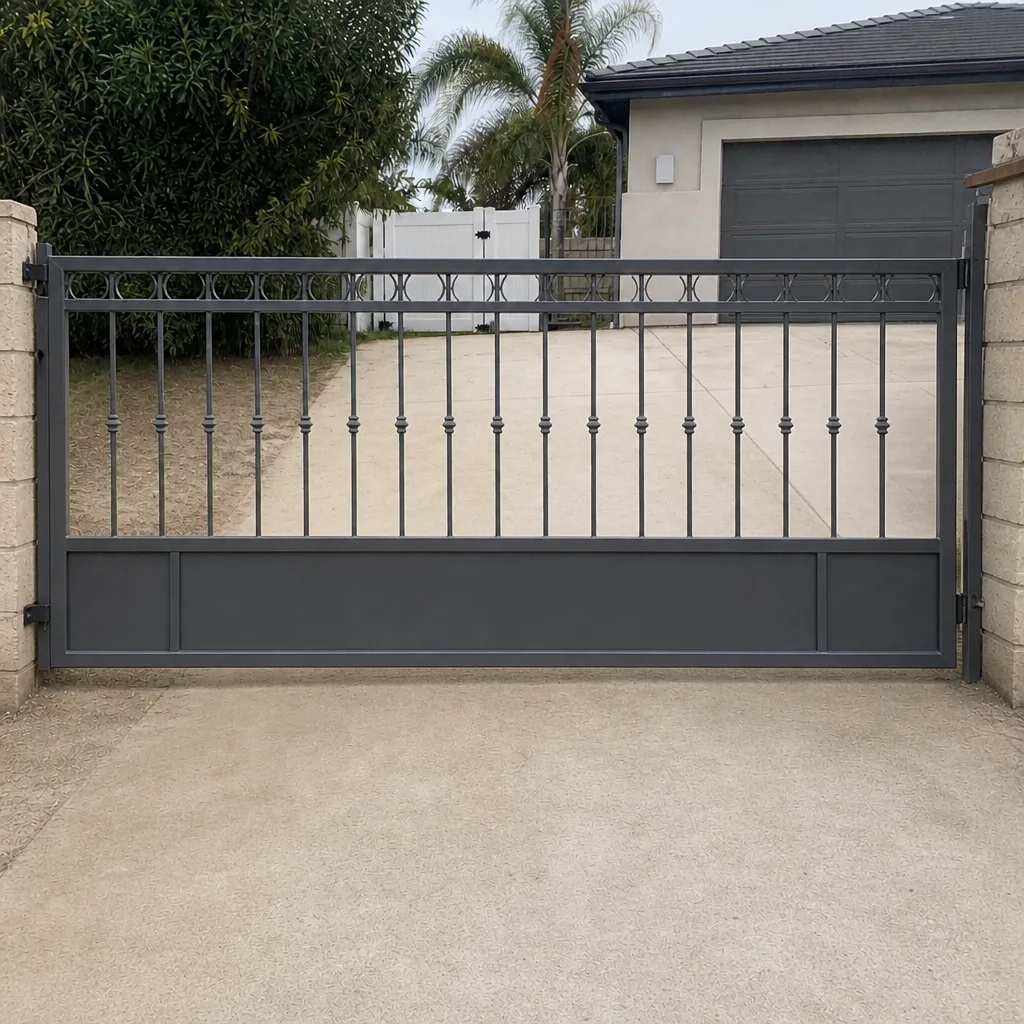 After
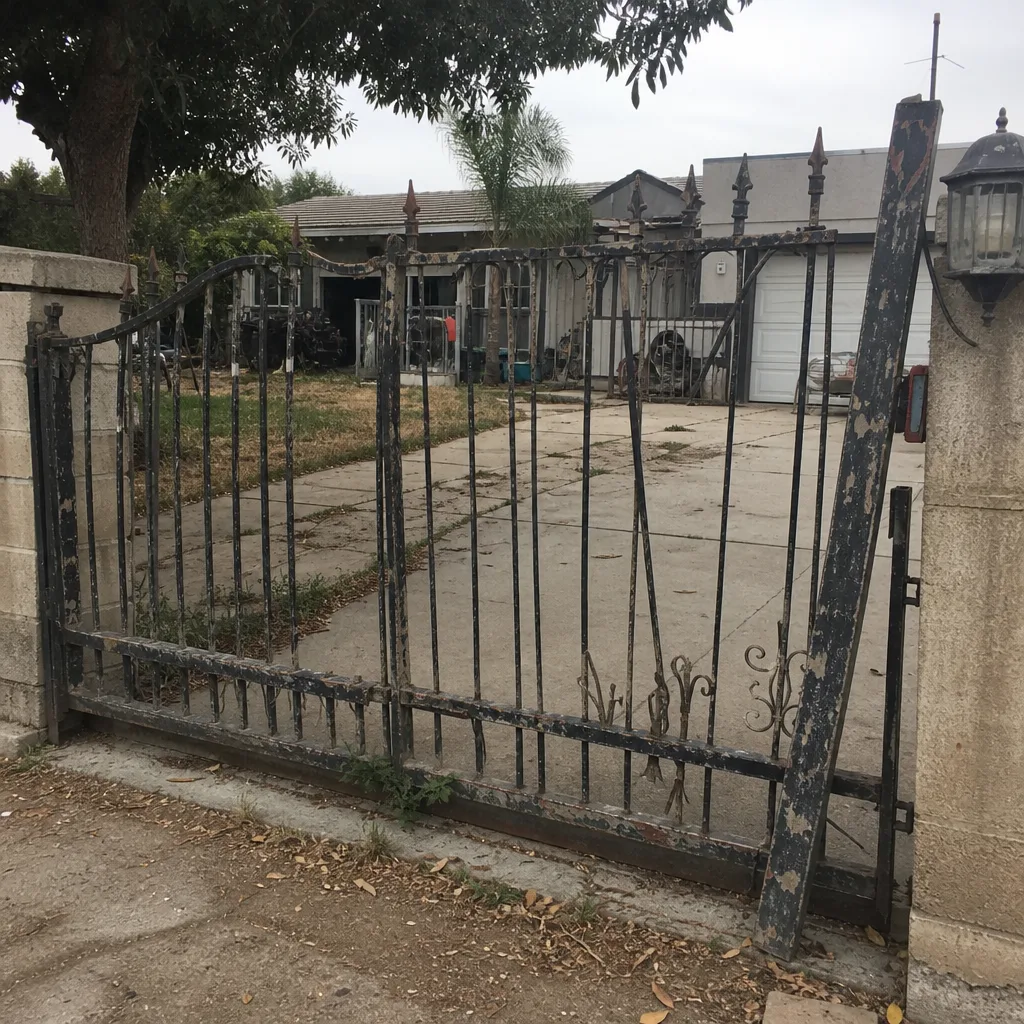 Before
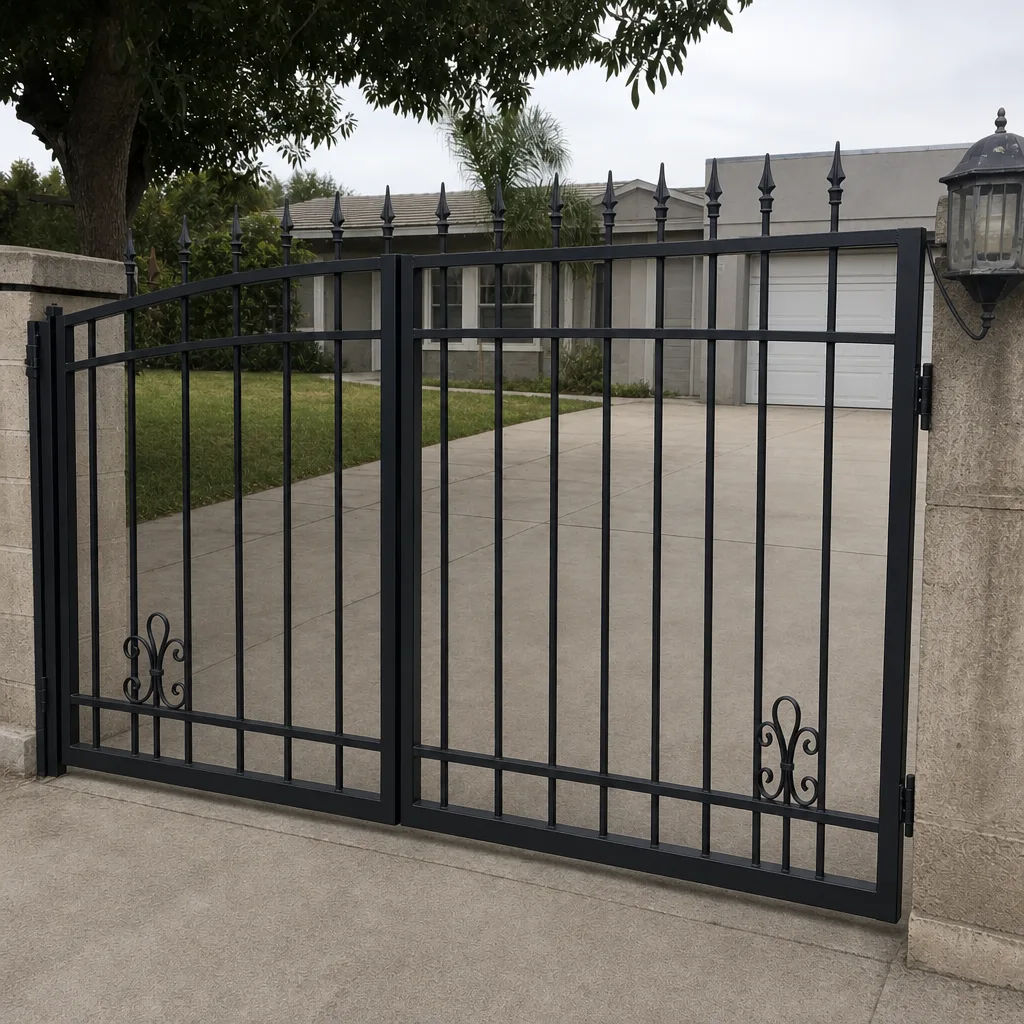 After