
Last updated November 4, 2026
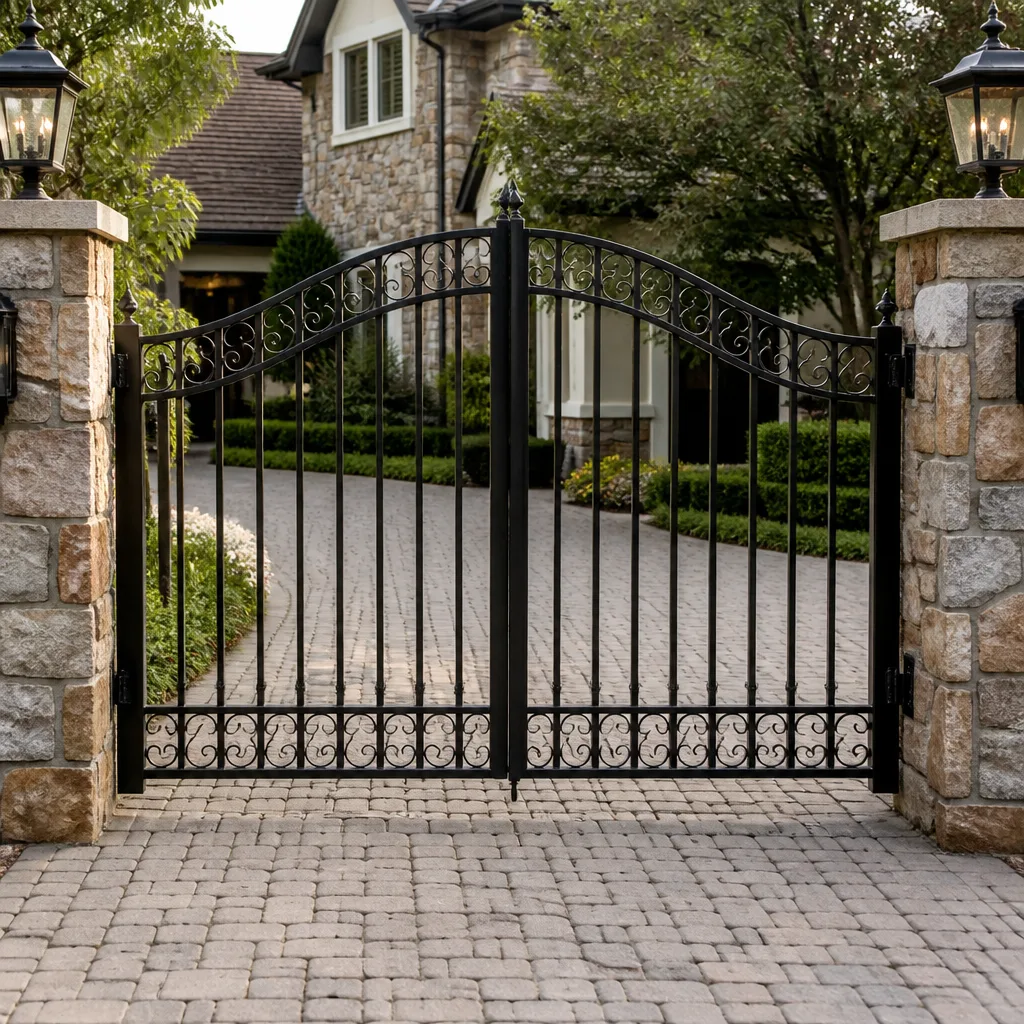 Wrought iron
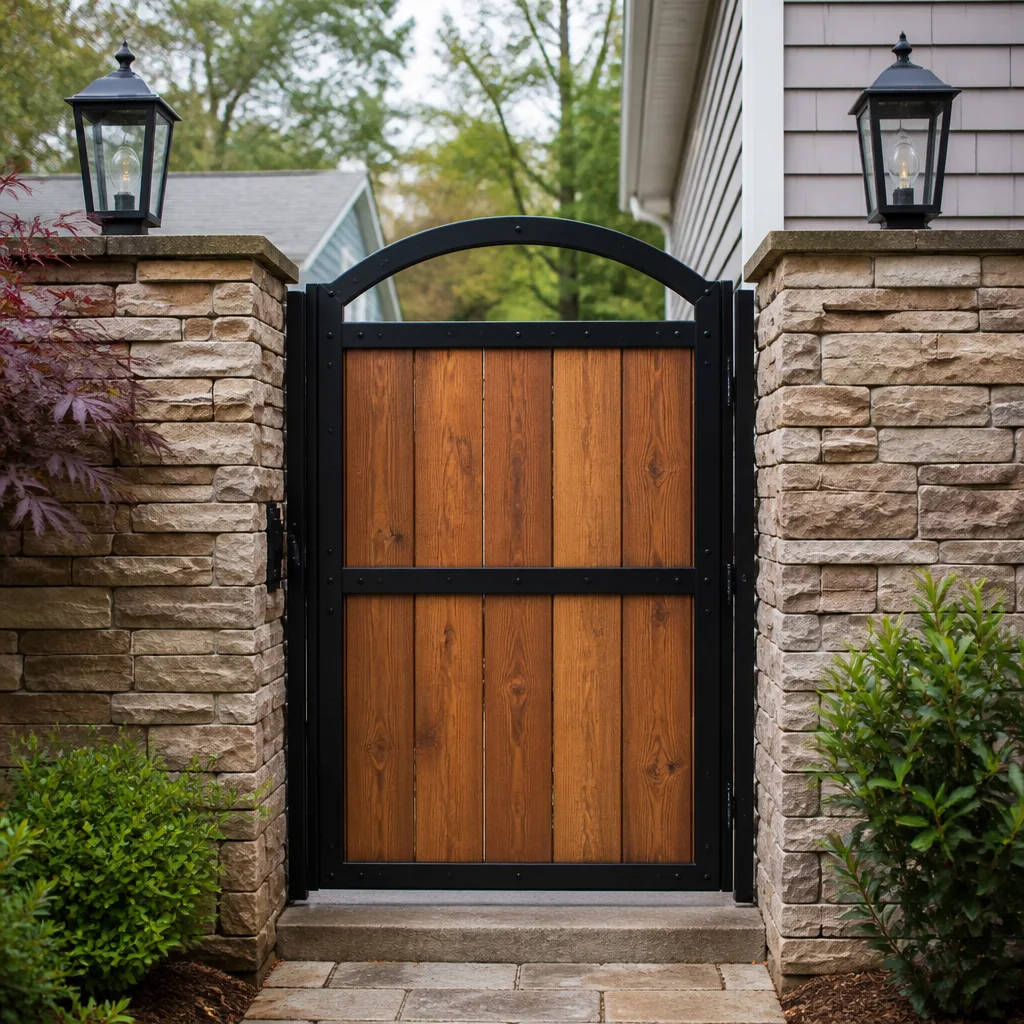 Wood & steel frame
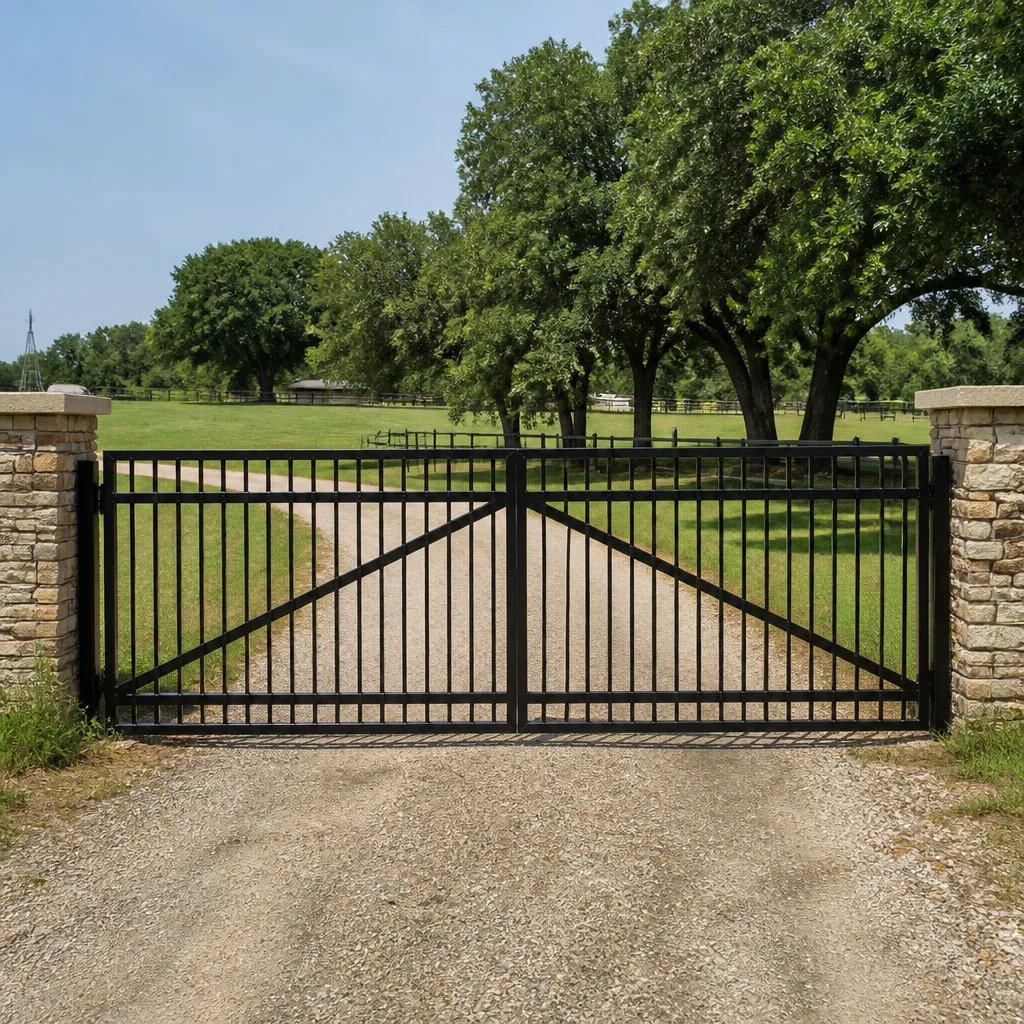 Farm & ranch
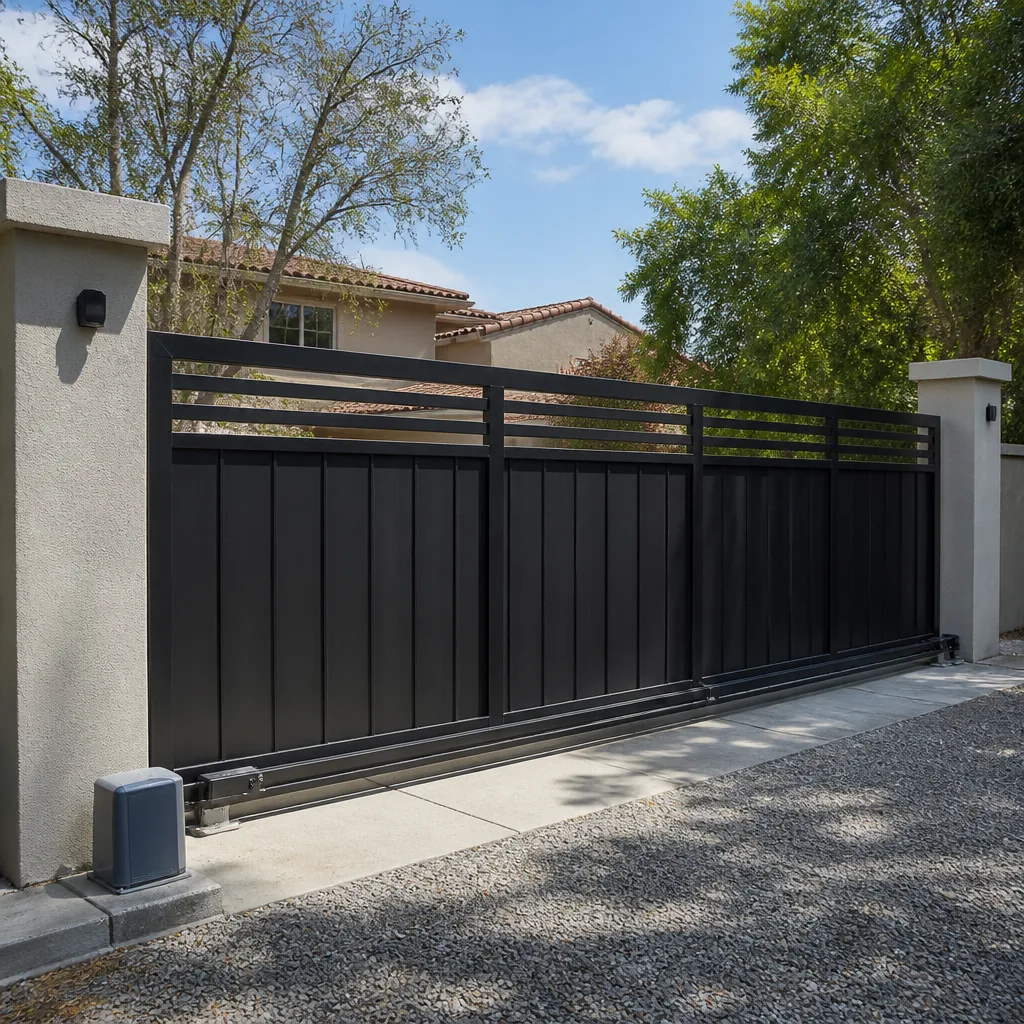 Sliding driveway gates
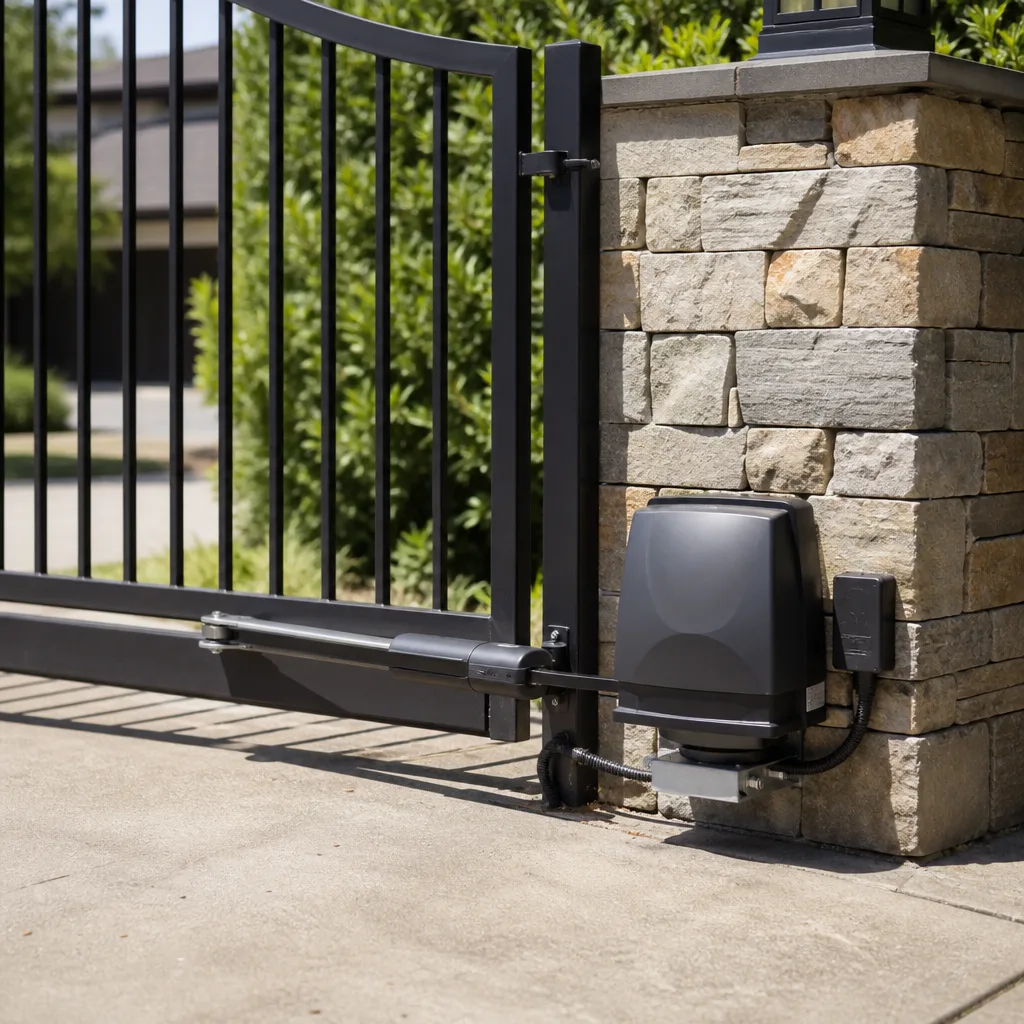 LiftMaster operators
Free on-site gate assessment - hinges, posts, and your LiftMaster or Nice gate operator checked before anything is quoted
The assessment is free and the quote is the invoice.
Get your free estimateThe Complete Guide to Gate Repair in Eastvale
A gate that reverses before closing isn’t broken. It’s usually telling you exactly what’s wrong. The challenge is that most technicians don’t speak its language, and a misread signal turns a simple adjustment into a motor replacement quote. This guide covers how Eastvale’s specific soil, HOA requirements, and the nine gate brands we see most often interact to create predictable failure patterns. By the end, you’ll know whether your gate needs a sensor alignment, a new control board, or a full replacement before you spend a dollar on diagnosis.
Quick Answer
Gate repair in Eastvale typically costs between $140 and $1,200 depending on whether the issue is mechanical alignment, an electrical component failure, or a software/control board problem. Most gate failures in Eastvale trace back to three root causes: soil-driven foundation shift, sensor or safety-edge misalignment, and control board degradation from heat and power fluctuations. The fastest way to get an accurate diagnosis is a free on-site estimate from a gate specialist who works on your specific brand.
Styles & brands we work with
- Wrought iron
- Wood & steel frame
- Farm & ranch
- Sliding driveway gates
- LiftMaster operators
Table of Contents
- The Three Root Causes Behind Most Eastvale Gate Failures
- How Eastvale’s Clay Soil Affects Gate Alignment
- Brand-Specific Failure Patterns We See in Eastvale
- The Diagnostic Decision Tree: Mechanical vs. Electrical vs. Software
- HOA Gate Repair in Eastvale: What Property Managers and Homeowners Need to Know
- When to Repair vs. Replace: Age and Cost Thresholds
- What a Full Gate Repair Visit Actually Includes
- Common Mistakes to Avoid
The Three Root Causes Behind Most Eastvale Gate Failures
When a gate stops working in Eastvale, the problem almost always falls into one of three categories. Knowing which one you’re dealing with changes everything about the repair approach, the parts cost, and whether you should call a specialist or can handle a basic check yourself.
Root cause one: foundation and post movement. Eastvale sits on clay-heavy soil that expands and contracts with seasonal moisture changes. This movement shifts gate posts and hinge points subtly over time. A gate that drags on the ground, won’t latch, or binds halfway through its travel usually has a post alignment issue rather than a mechanical failure. The fix involves re-shimming or resetting hinges, adjusting the post bracket, and sometimes pouring a new footing if the movement is severe.
Root cause two: safety sensor and edge failures. Automatic gates rely on photo eyes, safety edges, and loop detectors to know when to stop, reverse, or hold position. When these components fail or fall out of alignment, the gate behaves erratically. A gate that reverses before closing is almost always a sensor reporting an obstruction that isn’t there. A gate that won’t close at all may have a safety edge that’s constantly triggered. These repairs are typically in the $140 to $400 range and are the most commonly misdiagnosed issues we correct.
Root cause three: control board and electrical degradation. Eastvale’s summer heat pushes control components hard. Boards mounted in direct sun or inside unventilated operator housings can develop heat-related failures faster than in cooler inland areas. Power surges from the local grid also take a toll. Symptoms include a gate that works intermittently, opens but won’t close (or vice versa), or stops responding to remotes and keypads entirely. Control board replacement runs $350 to $1,200 depending on the brand and system.
The reason most gate repairs go sideways is simple: a technician replaces a part in one category when the actual problem lives in another. That’s why we approach every gate repair as a whole-system diagnostic, from the motor to the hinge, rather than guessing at the first obvious symptom.
How Eastvale’s Clay Soil Affects Gate Alignment
Eastvale’s soil composition creates a specific set of gate problems that you won’t find in coastal or sandy-soil communities. The clay-heavy earth here holds moisture and releases it slowly through the dry season. That means the ground under your gate posts moves more dramatically between wet and dry periods than it would in areas with sandy loam or decomposed granite.
Here’s what that movement does in practical terms:
- Gate posts lean. A post set in clay can shift up to an inch over several years as the soil expands and contracts. This throws the gate out of square with its frame.
- Hinges bind. When posts lean, hinges take uneven load. The gate may open fine but struggle to close, or catch at a specific point in its travel arc.
- Cantilever and slide gates drag. These systems rely on precise track or roller alignment. Even a quarter-inch of post movement creates drag that wears motors prematurely and trips overload sensors.
- Latches and locks misalign. The gate may close completely but the lock pin won’t seat, leaving the gate unsecured or triggering a fault on the operator.
This matters for diagnosis because a gate that looks mechanically broken, at the motor or hinge level, often just needs its posts corrected. A specialist who knows Eastvale’s soil conditions will check foundation and alignment before recommending any electrical or motor work. That sequence alone saves homeowners hundreds of dollars in unnecessary parts replacements.
Not every alignment issue requires new concrete. Many can be corrected with adjustable hinge brackets, shimming, and re-tensioning existing hardware. When a post has moved beyond what adjustment can handle, we can evaluate whether a full reset is needed and provide a written estimate before any work begins.
Brand-Specific Failure Patterns We See in Eastvale
Different gate brands fail differently. That’s not a marketing line. It’s a technical reality we deal with constantly, and it’s why brand familiarity changes the speed and accuracy of a repair. Gate Repair Eastvale maintains working knowledge across nine major brands, from residential openers to commercial automation systems.
Mighty Mule and Ghost Controls
These are the most common residential-grade systems in Eastvale’s single-family neighborhoods. They’re solid entry-level openers, but they have predictable weak points. Mighty Mule systems tend to develop control board issues after several years of heat exposure, particularly when the board housing isn’t shaded. Ghost Controls systems are generally reliable, but their safety sensor wiring connections are prone to corrosion and intermittent faults if the splice points aren’t properly sealed. Both brands are highly repairable, and most failures fall in the $140 to $400 parts-plus-labor range.
LiftMaster and Linear
These brands dominate Eastvale’s HOA communities and multi-property applications, both residential and light commercial. LiftMaster operators are workhorses, but their swing-arm and slide mechanisms need regular hinge and roller inspections because of the soil movement we discussed earlier. Linear systems are common in apartments and small commercial complexes, and their main failure points are loop detector alignment and access keypad wiring. When these systems act up, the problem is usually in the accessories, not the motor itself.
FAAC and BFT
These are premium European automation brands that appear in Eastvale’s higher-end residential and commercial installations. Many local shops won’t touch FAAC or BFT systems because the control electronics and programming parameters differ significantly from American brands. We work on them regularly. The most common issues are hydraulic pump wear on FAAC operators and control board programming errors on BFT units after power outages. These repairs require brand-specific diagnostics, but residential or commercial, we’ve seen that system before.
Other brands we service in Eastvale include Viking, DoorKing, and Elite, which span the range from residential slide gates to heavy-duty commercial operators. The point is this: when you call for electric gate repair, the person who shows up should already know your system’s typical failure modes. Brand-agnostic diagnosis means we work from the system in front of us, not a preferred parts supplier, which leads to honest repair recommendations over unnecessary replacements.
The Diagnostic Decision Tree: Mechanical vs. Electrical vs. Software
Before you call anyone, you can narrow down your gate problem with a simple decision tree. This won’t replace a professional diagnosis, but it will help you describe the issue accurately and avoid paying for work you don’t need.
- Does the gate move at all? If no movement and no sound from the operator, check the power source first. A tripped breaker or disconnected power is a simple fix. If power is confirmed and the gate still won’t move, you’re likely looking at an electrical or control board issue. Call a specialist.
- Does the gate move partially or erratically? If the gate starts, stops, reverses, or binds at a specific point, the problem is usually mechanical misalignment, a sensor fault, or both. Watch where it stops. If it always stops at the same spot, that’s a physical obstruction or hinge bind. If it stops at random points, it’s likely a sensor or control issue.
- Does the gate work manually but not automatically? If you can push the gate open but the operator won’t do it, the problem is electrical or control-related, not mechanical. This points to the motor, capacitor, control board, or power supply.
- Does the gate respond to some controls but not others? If the remote works but the keypad doesn’t, or vice versa, the issue is in the accessory wiring or programming, not the main operator. These are usually straightforward fixes for someone familiar with your brand’s access hardware.
- Does the gate beep or display an error code? Most modern operators have diagnostic indicators. Note any blinking lights, error numbers, or audible alerts before you call. This information speeds up diagnosis significantly.
This decision tree matters because it separates problems that need a motor replacement from problems that need a $40 sensor adjustment. A misdiagnosed gate costs Eastvale homeowners real money every month. We approach every call as a diagnostic exercise first, not a parts replacement opportunity.
HOA Gate Repair in Eastvale: What Property Managers and Homeowners Need to Know
Eastvale has a high concentration of HOA-governed communities, and that changes the gate repair process in specific ways. If you’re a homeowner in an HOA, your gate may be your responsibility, the association’s responsibility, or somewhere in between depending on where the gate sits and what the CC&Rs specify.
For HOA managers and property management companies, the constraints are different. Common-area gates, vehicle entry gates, and pedestrian access gates all need to meet safety standards and hold up under constant daily cycling. A gate that cycles hundreds of times per day accumulates wear differently than a single-family gate that opens a dozen times daily. This is where commercial-grade systems like DoorKing, Viking, and FAAC come in, and why a technician who only works on residential openers will struggle with these installations.
Key considerations for HOA gate repair in Eastvale:
- Access control integration. HOA gates often tie into call boxes, keypads, telephone entry systems, and vehicle detection loops. Repair work needs to preserve all of these integrations, not just get the gate moving again.
- Safety compliance. Automated gates in multi-family settings need functioning safety edges, photo eyes, and proper reversing mechanisms. A repair that bypasses a safety component creates liability for the association.
- Documentation. Property managers often need repair documentation for board meetings and reserve fund planning. Clear written estimates and detailed work descriptions matter.
- Scheduling around resident access. Gate repairs at HOA entrances require coordination. We work with property managers to complete work efficiently and communicate clearly about access disruptions.
For single-family homeowners in Eastvale, the process is simpler. You own the gate, you call the shots, and you need a repair that fits your schedule and budget. Either way, the same diagnostic discipline applies. A gate specialist who serves both residential and commercial clients will understand the constraints on both sides.
When to Repair vs. Replace: Age and Cost Thresholds
Every gate reaches a point where continued repairs stop making financial sense. The question is knowing where that line sits for your specific system.
Here’s our general framework, based on what we see across Eastvale:
- Operator under 5 years old: Repair in almost every case. Parts are available, the system hasn’t accumulated enough wear to justify replacement, and a single repair typically represents good value. Most repairs fall between $140 and $500.
- Operator 5 to 10 years old: Repair when the cost is under 40% of replacement. If the motor is fine and the issue is a sensor, hinge, or accessory, fix it. If the control board has failed and the parts cost approaches $800 to $1,200, compare that against a new system in the $2,000 to $4,500 range for a full replacement with new hardware.
- Operator over 10 years old: Replace if any major component fails. Motors, control boards, and gear assemblies in older units are expensive relative to the remaining lifespan of the system. A new installation comes with updated safety features, newer access control options, and a fresh warranty. When we handle Gate Repair Eastvale replacements, we evaluate the existing posts, hardware, and accessories to see what can be reused and what needs replacement.
- Gate structure itself: If the gate frame, posts, or track show significant rust, fatigue, or soil-related movement, replacement may be the better long-term choice even if the operator still works. A new operator on a failing structure is money spent twice.
The threshold that matters most is this: when the cumulative cost of repairs over the past two years exceeds 50% of a new system, replacement usually makes sense. Any specialist who won’t have that conversation with you is selling parts, not solutions.
What a Full Gate Repair Visit Actually Includes
When you call Gate Repair Eastvale, here’s what happens. This is the same process whether you have a Mighty Mule in your backyard or a LiftMaster at an Eastvale HOA entrance.
- Phone intake. We ask about your gate type, brand if you know it, the symptoms you’re seeing, and any error codes or sounds. This helps us arrive with the right parts and diagnostic tools on the truck.
- On-site diagnostic. We inspect the entire system, from the motor to the hinge. That includes post alignment, hinge wear, operator condition, control board diagnostics, sensor alignment, safety edges, access hardware, and wiring connections. We don’t fix the first broken thing we see and call it done. We map the whole system.
- Written estimate. Before any work begins, you get a clear written price for the repair. The price is set at that point. No surprises after the fact.
- Repair and testing. We complete the work, then test the gate through multiple full cycles, check all safety functions, and verify all access controls still work as expected.
- Explanation of what we found. You’ll know what failed, why it failed, and what you can do to prevent a repeat. We don’t hand you a bill and disappear.
Electric gate diagnostics are core to what we do, not an add-on. Motors, control boards, sensors, wiring, and access hardware are all standard scope. That’s the difference between calling a gate-only specialist and hoping a generalist figures it out.
Common Mistakes to Avoid
- Ignoring a reversing gate. A gate that stops and reverses before closing is communicating a sensor or safety-edge problem. Ignoring it doesn’t make the problem go away; it makes the eventual repair more expensive when the safety system fails completely.
- Assuming the motor is dead. Most “dead motor” diagnoses are actually power supply, capacitor, or control board issues. Replacing a motor without ruling out the simpler causes is the most expensive mistake we see.
- Bypassing safety sensors. Disconnecting a photo eye or safety edge to force the gate closed may work temporarily, but it creates a serious safety hazard, especially for children and pets. A gate that closes on a person is a liability no one should accept.
- Waiting for a small problem to become a big one. A hinge that squeaks, a gate that drags slightly, or a post that’s visibly leaning will only get worse in Eastvale’s clay soil. Early intervention is almost always cheaper.
- Hiring a generalist for a specialized system. If your gate is a FAAC or BFT, and the technician has never heard of the brand, you’re paying for their learning curve. Gate-only specialists with brand-specific experience diagnose faster and repair correctly the first time.
- Not asking for a written estimate. Any reputable gate repair company will give you a written price before starting work. If someone won’t, that’s a red flag. Our estimates are free, and the price is agreed before any work begins.
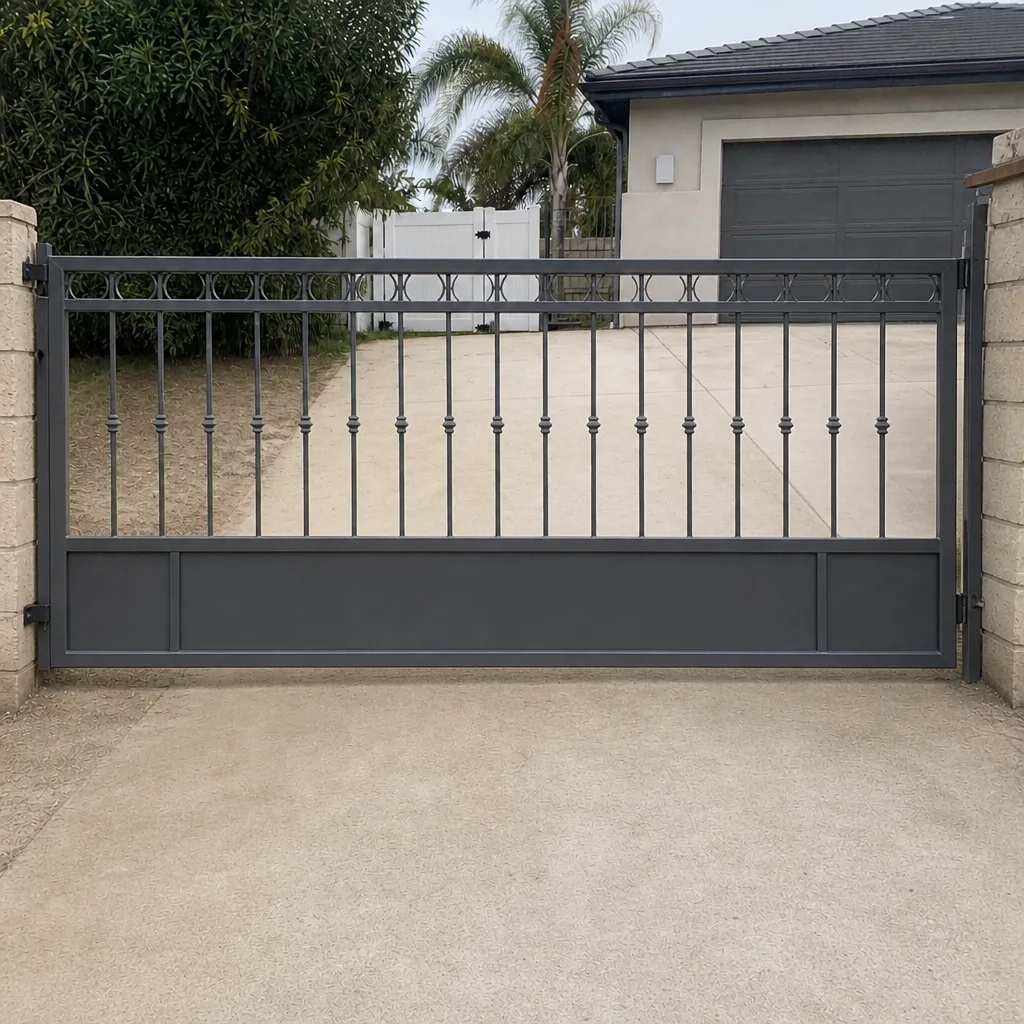
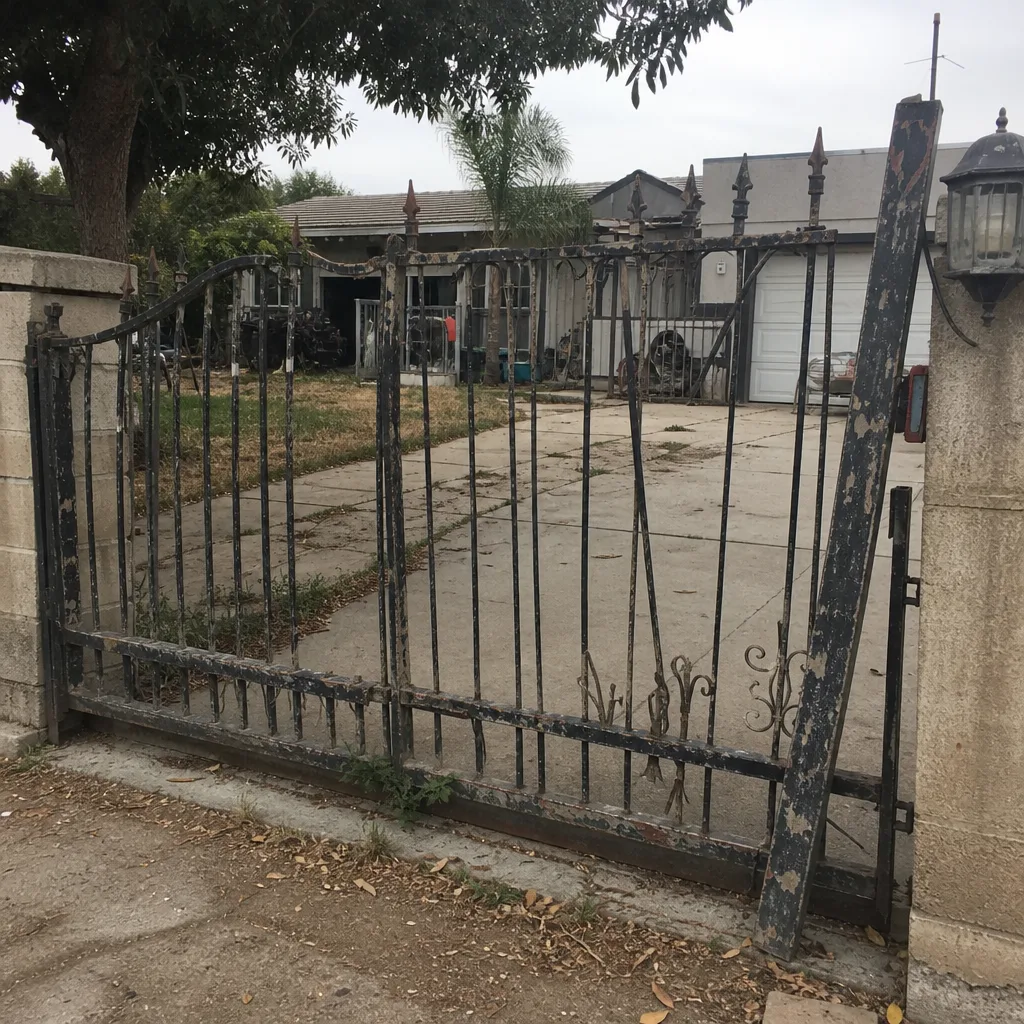
See the difference
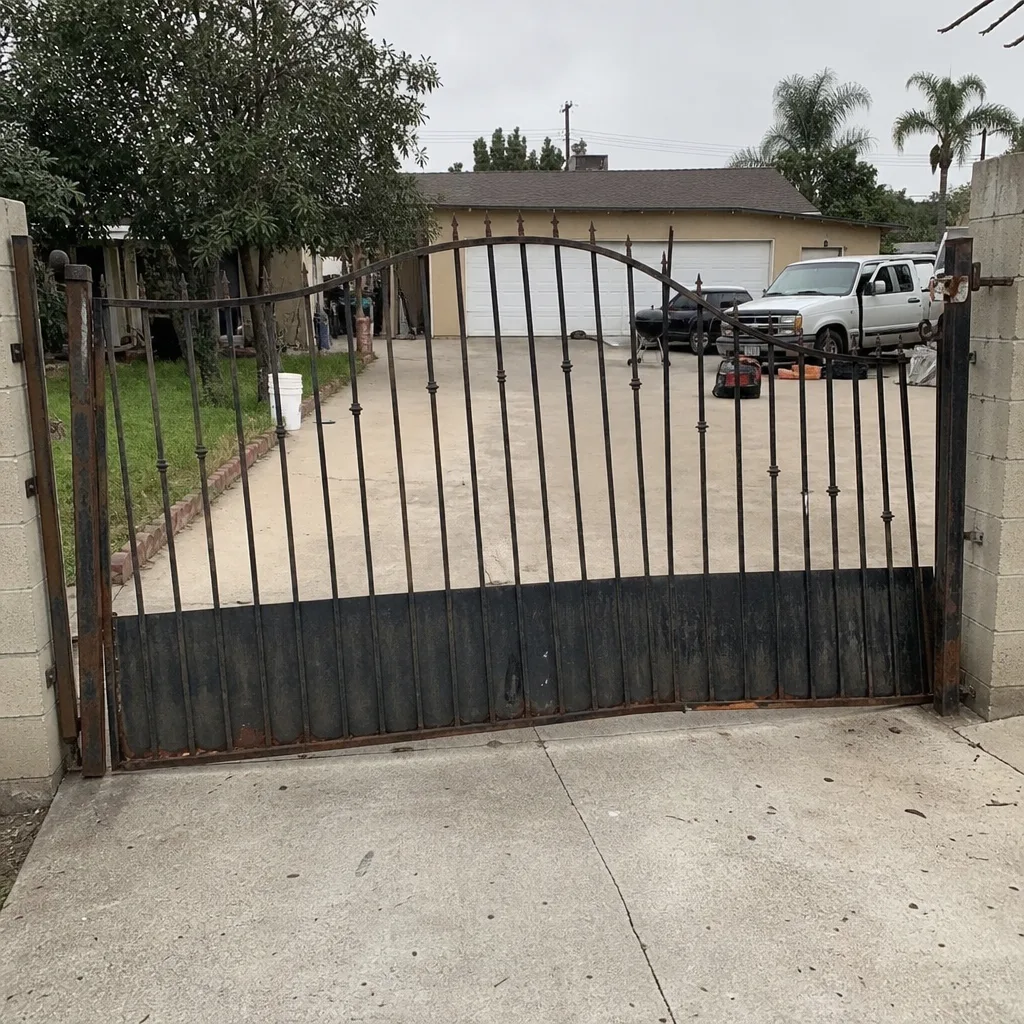 Before
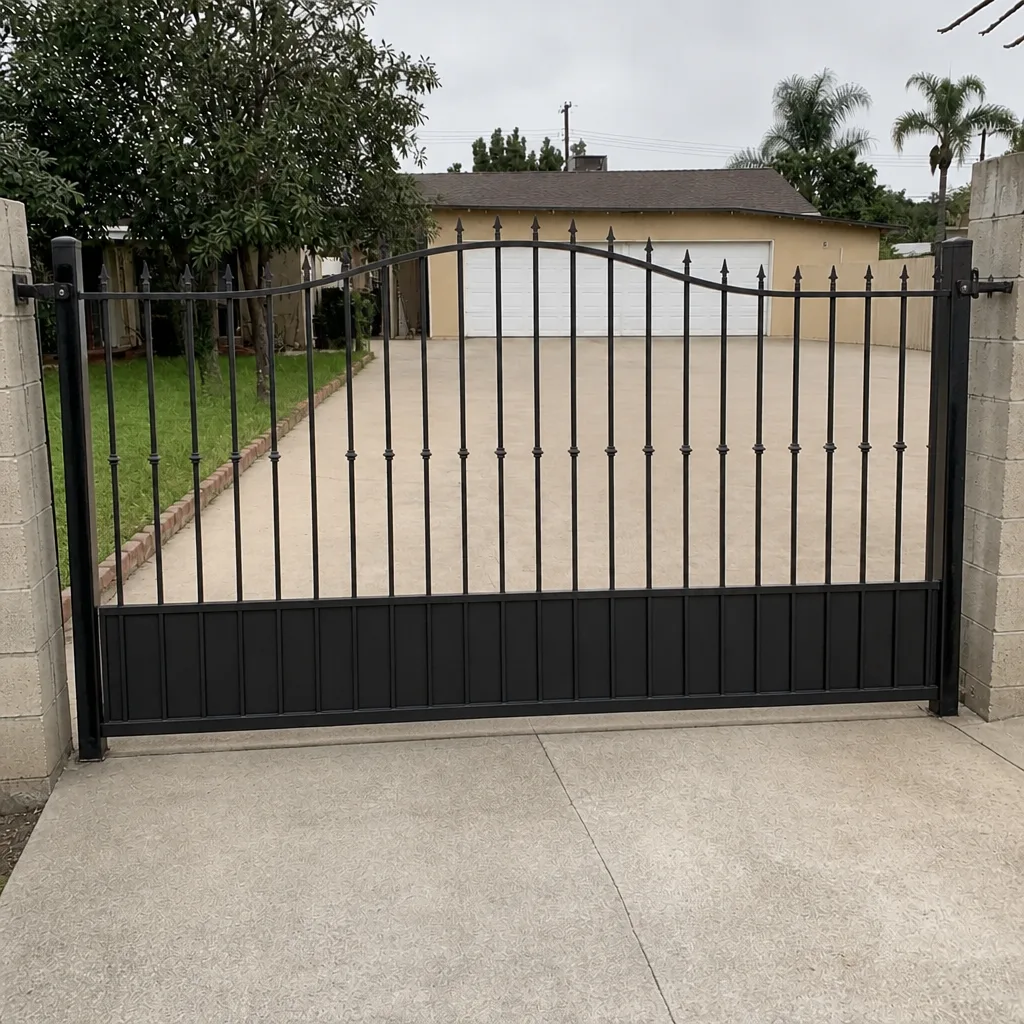 After
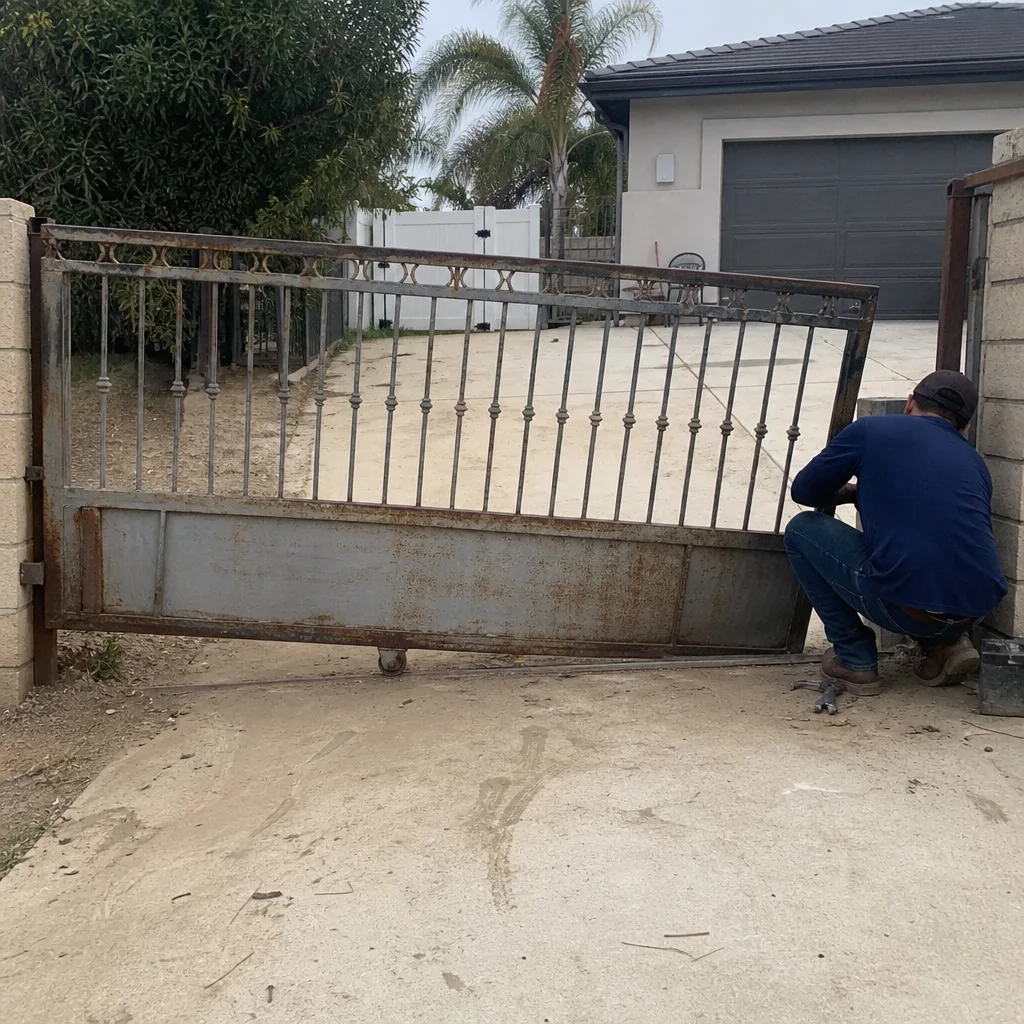 Before
 After
 Before
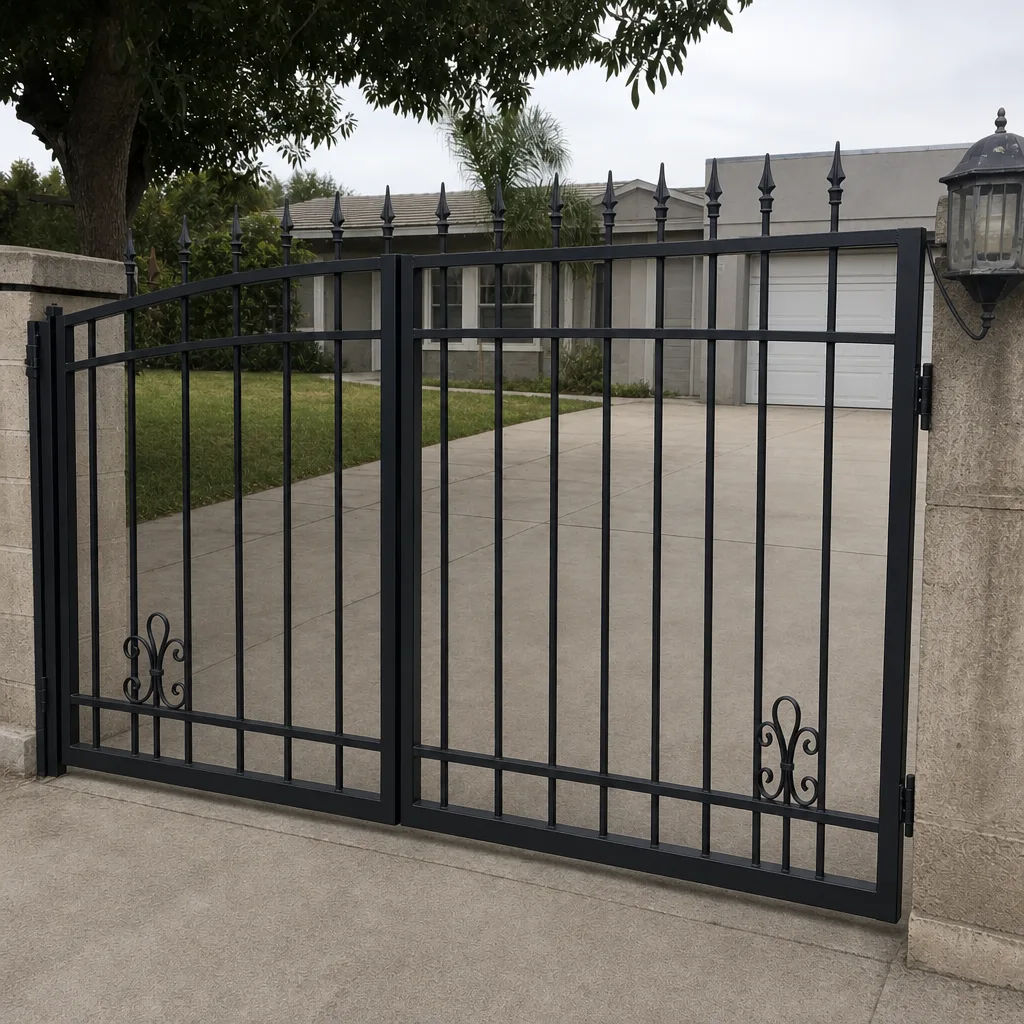 After
When to Call a Professional
Some gate issues are straightforward enough for a homeowner to identify, but actual repair work on automated systems needs a trained professional. Call a specialist if your gate won’t move at all, moves erratically, makes grinding or straining noises, reverses unexpectedly, won’t respond to controls, or shows visible post or hinge damage. Electrical work on gate operators involves line voltage and control circuitry that can cause injury or equipment damage if handled incorrectly. Slide gates that come off their track and heavy panels that bind under load carry crush risks. Don’t attempt structural or electrical repairs yourself. Gate Repair Eastvale offers free estimates in Eastvale. Call (855) 601-8166. We answer 24/7. Fast dispatch from 7am to 7pm, Sunday through Friday.
Frequently Asked Questions
Gate repair in Eastvale typically costs between $140 and $1,200. Minor sensor adjustments and hinge realignments fall at the lower end, while control board replacements and motor work occupy the upper end. The final price depends on your gate’s brand, the failed component, and whether structural alignment work is needed. Call (855) 601-8166 for a free on-site estimate.
Yes, same-day service is available for most gate repairs in Eastvale. We answer 24/7 and dispatch crews from 7am to 7pm, Sunday through Friday. Call (855) 601-8166 and we’ll let you know the next available slot.
We work on nine major gate brands, including Mighty Mule, Ghost Controls, LiftMaster, FAAC, BFT, Linear, Viking, DoorKing, and Elite. If your system is one of these, we’ve seen it before and know its typical failure points. Residential or commercial, we work on your brand.
A gate that reverses before closing is almost always a safety sensor or safety edge reporting an obstruction. The photo eye may be misaligned, dirty, or failing, or the safety edge may be triggered by a false reading. This is a common and usually affordable repair. Call (855) 601-8166 for a diagnosis.
If your operator is under five years old, repair almost always makes sense. Between five and ten years, repair if the cost is under 40% of replacement. Over ten years, replacement is usually the smarter financial decision when a major component fails. We’ll give you a straight answer based on your system’s age, condition, and repair cost.
Yes. We service HOA communities, apartment complexes, and commercial properties throughout Eastvale, including gate systems with access control integration, telephone entry, and vehicle detection loops. Our three service lines, repair, electric gate repair, and new installation, cover the full scope of what these properties need.
The Bottom Line
Most gate problems in Eastvale come down to three root causes: soil-driven foundation movement, sensor and safety-edge failure, and control board degradation. Knowing which one you’re facing determines whether you need a simple adjustment, a component replacement, or a new system. Eastvale’s clay-heavy soil creates alignment issues that other regions don’t see, and HOA properties add their own layer of requirements. The right approach is a whole-system diagnostic from a gate-only specialist who knows your brand. That’s what we offer. Call (855) 601-8166 for a free estimate. We answer 24/7. Fast dispatch from 7am to 7pm, Sunday through Friday.
Written by the team at Gate Repair Eastvale, serving Eastvale since 2014.