
Last updated November 4, 2026
 Wrought iron
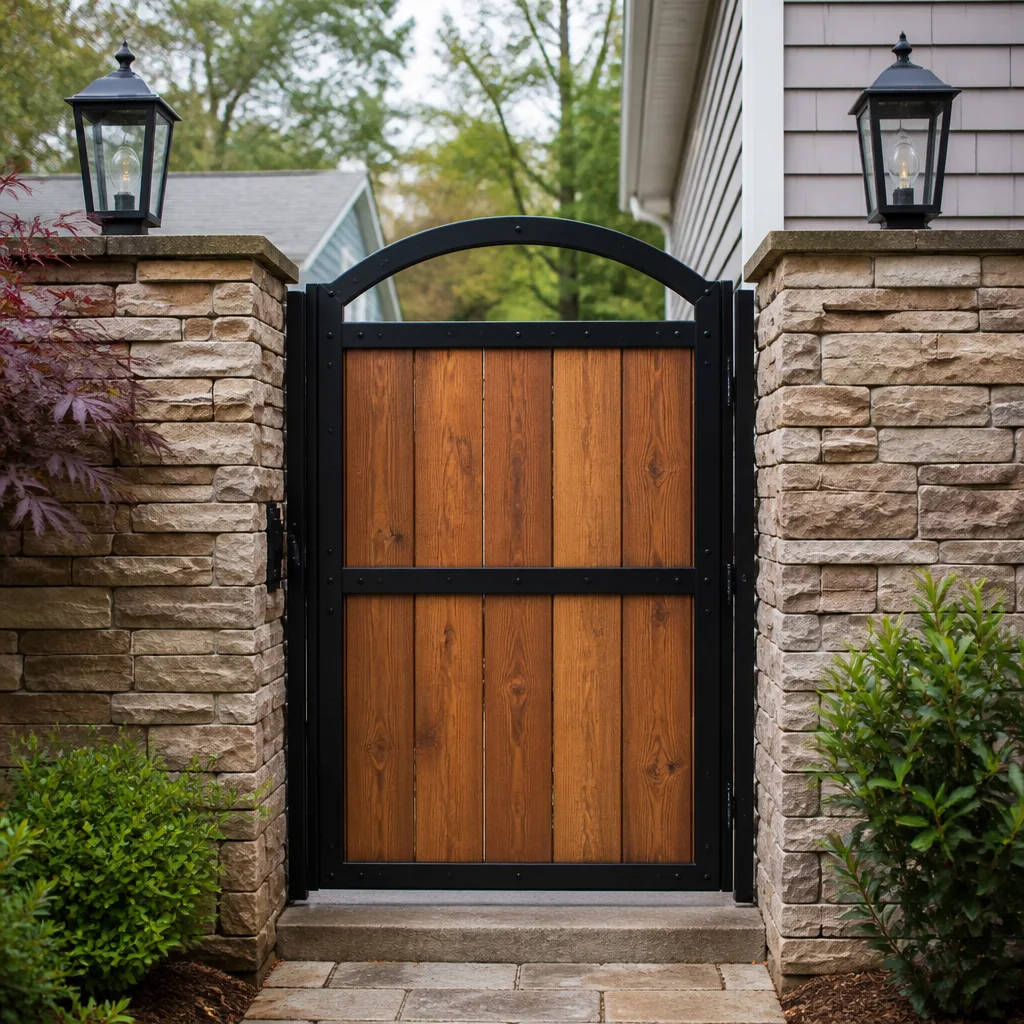 Wood & steel frame
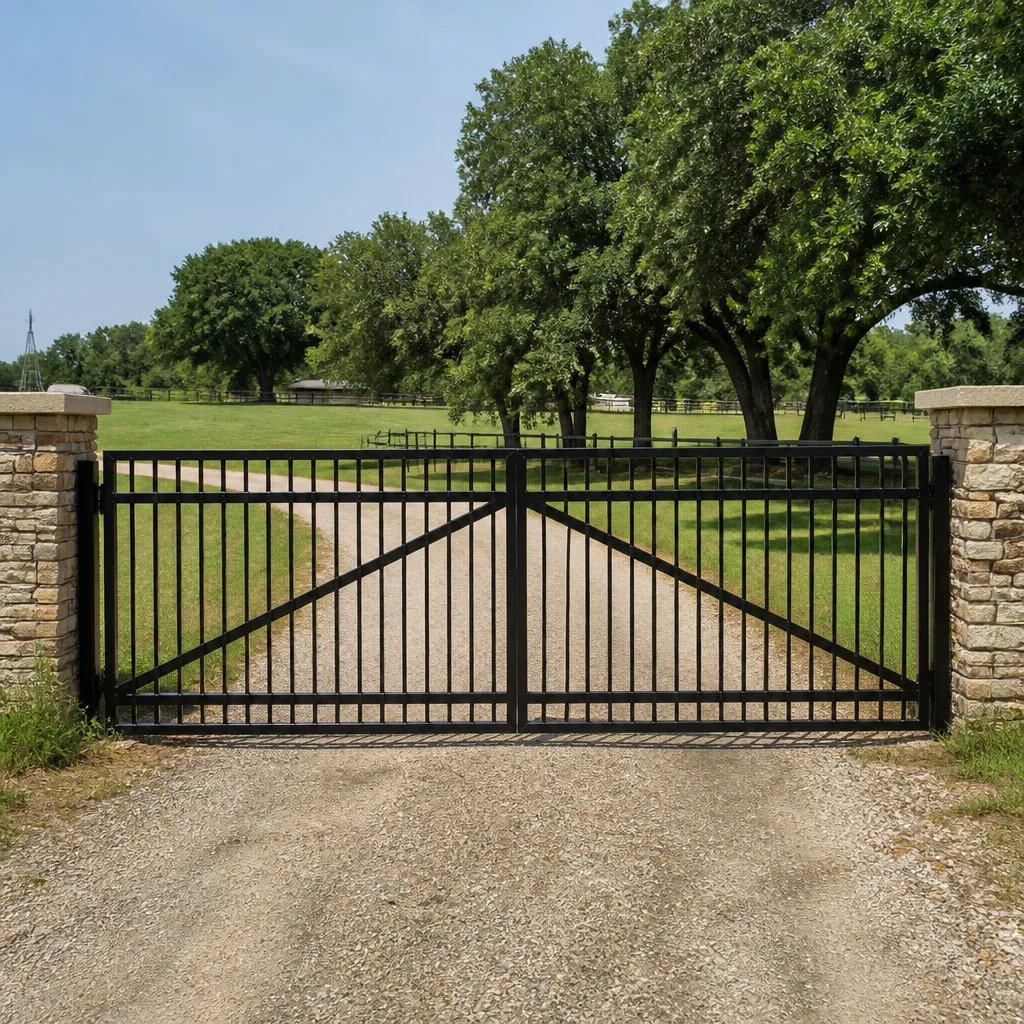 Farm & ranch
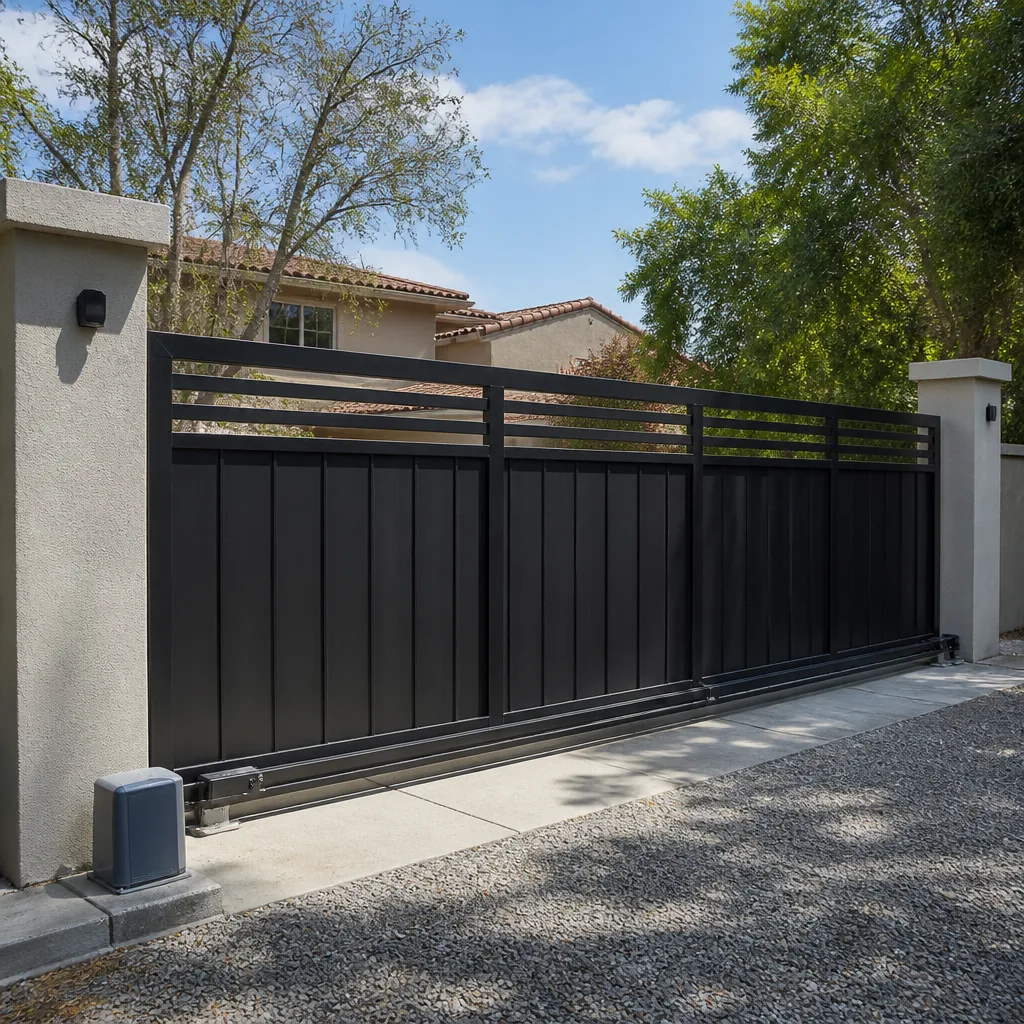 Sliding driveway gates
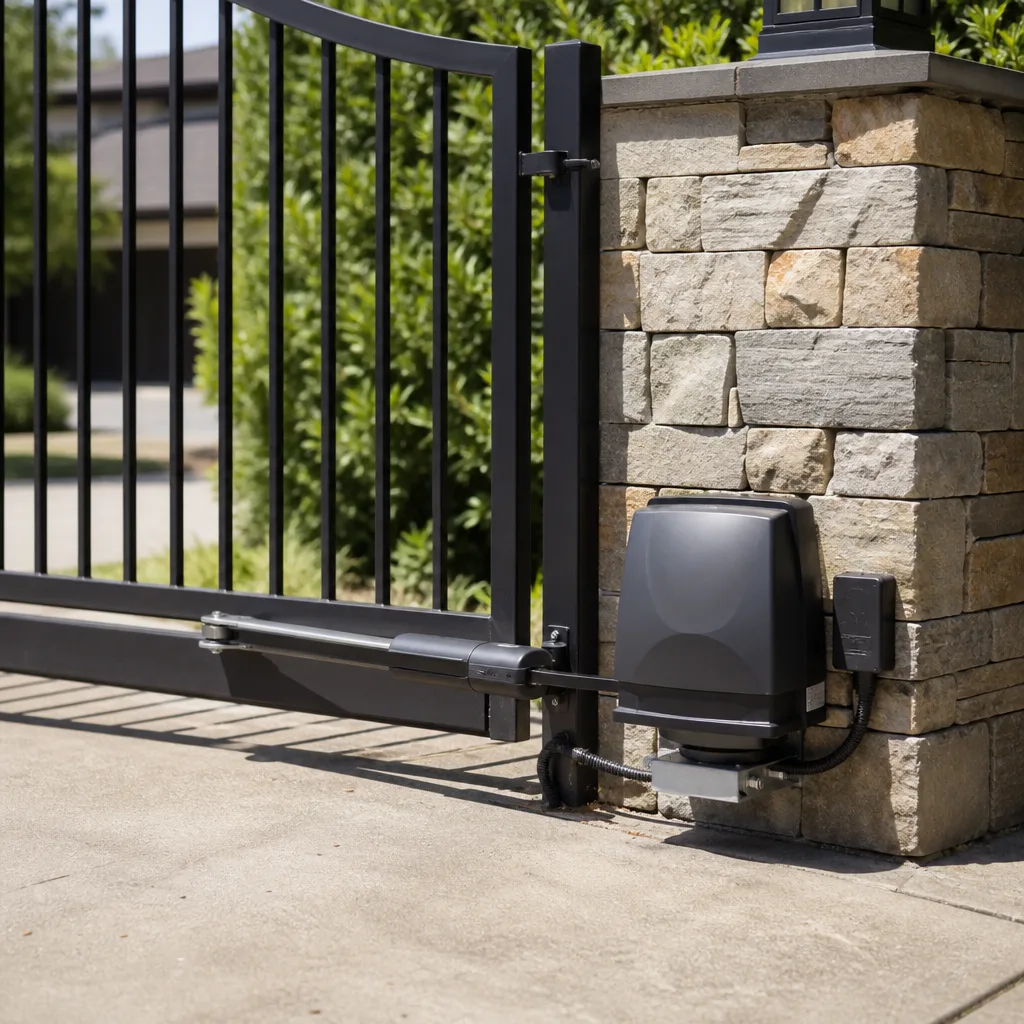 LiftMaster operators
Free on-site gate assessment - hinges, posts, and your LiftMaster or Nice gate operator checked before anything is quoted
The assessment is free and the quote is the invoice.
Get your free estimateGate Repair Warning Signs: An Eastvale Homeowner’s Reference Guide
Most homeowners in Eastvale don’t have a gate problem until the gate refuses to open at all. By that point, the failure has usually been broadcasting itself for weeks. A hesitation here, a hum there, a slight sag you adjust to without thinking. This guide is about learning to read those signals before they become a locked-in vehicle at 6:45 on a Sunday morning. We’re going to show you how to separate electrical warnings from mechanical ones, which brand-specific error codes matter for HoA communities across Eastvale, and why a gate that works most of the time is often closer to catastrophic failure than one that’s simply dead.
Styles & brands we work with
- Wrought iron
- Wood & steel frame
- Farm & ranch
- Sliding driveway gates
- LiftMaster operators
Quick Answer
The most common gate repair warning signs in Eastvale are a motor that hums but doesn’t move the gate, a gate that hesitates or reverses mid-cycle, warning lights or error codes on the control board, and visible rust or sag at the hinge line. Electrical symptoms tend to appear intermittently at first, then worsen steadily; mechanical symptoms tend to show up as a new sound or a visible change in how the gate hangs. Any sign of exposed wiring or a gate that won’t stop when obstructed is an immediate safety issue that needs a professional right away.
Table of Contents
- Electrical vs. Mechanical Warning Signs: How to Tell the Difference
- Brand-Specific Error Codes and Indicator Lights in Eastvale
- The Intermittent Failure Problem: Why “Sometimes Works” Is a Red Flag
- Environmental Warning Signs Unique to Eastvale
- Imminent Safety Risk vs. Scheduled Repair: What Can Wait
- What to Check Before You Call: A Step-by-Step Guide
- Common Mistakes to Avoid
- When to Call a Professional
- Frequently Asked Questions
- The Bottom Line
Electrical vs. Mechanical Warning Signs: How to Tell the Difference
Gates fail in two distinct ways, and knowing which one you’re dealing with changes what you do next. Electrical problems live in the motor, control board, sensors, and wiring. Mechanical problems live in the hinges, track, wheels, chain, and the physical structure of the gate itself. The diagnostic trick is to pay attention to when and how the symptom appears.
Electrical symptoms tend to be intermittent. A gate that opens fine in the morning but hesitates at 2 p.m. when the control board is hot is showing an electrical issue. A gate that trips its breaker only when the keypad is used from a certain distance is an electrical issue. Electrical failures come and go because thermal expansion, voltage fluctuations, or a failing capacitor behave differently under different conditions.
Mechanical symptoms tend to be consistent and progressive. A grinding sound that happens every single time the gate moves is mechanical. A gate that’s visibly sagging and dragging on the ground at the latch side is mechanical. These problems don’t fix themselves between cycles. They get worse with every operation because the physical wear compounds.
- Hums but doesn’t move: Electrical (capacitor or motor start circuit).
- Makes a new grinding or scraping sound that repeats every cycle: Mechanical (wheel, hinge, or track wear).
- Works sometimes, not others: Usually electrical (loose connection, heat-sensitive control board).
- Gate moves but looks crooked or drags: Mechanical (hinge wear or post settlement).
- Trips a breaker or blows a fuse: Electrical (short, overloaded motor, or failing transformer).
In Eastvale, we see a fair share of both categories because the housing stock includes a mix of builder-installed residential openers and newer custom installations. The brand matters here. A Mighty Mule opener that hums without moving is often a capacitor, while a LiftMaster commercial operator with the same symptom might be a limit switch or a seized gear train. That’s why running through the brand-specific signals below is worth your time before you assume the worst.
Brand-Specific Error Codes and Indicator Lights in Eastvale
Most automated gates in Eastvale run on one of nine major brands: LiftMaster, FAAC, BFT, Linear, Viking, Ghost Controls, DoorKing, Elite, and Mighty Mule. Each brand has its own way of telling you what’s wrong. A blinking red light isn’t decorative. It’s a diagnostic code. Here’s what to look for on four of the most common systems we see in Eastvale HoA communities and residential driveways.
LiftMaster Operators
LiftMaster commercial and residential gate operators use a diagnostic LED on the control board. A steady green light means the board has power. A blinking green means the operator is in a learned mode or lost its limits. One blink followed by a pause on a LiftMaster LA400 or LA500 typically points to a thermal overload or an obstruction in the travel path. If the gate reverses immediately after starting to move, check the safety edges and the photo eyes first. That reversal behavior is a safety response, not a mechanical fault.
DoorKing Systems
DoorKing operators are common in Eastvale HoA communities because they handle high cycle counts. Their control boards have a status light that blinks in repeating sequences. A slow, steady blink usually means the board is functioning normally and waiting for a command. A rapid blink pattern after a failed open attempt often indicates an entrapment sensor fault or a loop detector issue. DoorKing systems also show error behavior through the gate’s actions: a gate that stops midway and then continues after a few seconds is reporting a loop detector problem, not a motor failure.
Elite and Mighty Mule Residential Openers
Elite residential slide gate openers use a simpler LED scheme. A solid red light on the control board means power is present. When the gate fails to respond and the red light is solid but the motor doesn’t engage, the problem is often a failed limit switch or a dead battery in the keypad transmitter, not the motor itself. Mighty Mule openers, popular with DIY installers across Eastvale, use audible beeps as their primary error signal. Two beeps on a Mighty Mule MM562 or MM571 indicate an obstruction or a motor overload. Three beeps generally mean the battery in the control arm is low or the charger isn’t working.
The point here isn’t to memorize every code. It’s to recognize that when your gate blinks at you, it’s speaking a language you can learn. And if you’d rather not learn it, a gate specialist who already knows all nine brands can read it in about thirty seconds on site.
The Intermittent Failure Problem: Why “Sometimes Works” Is a Red Flag
Here’s the counterintuitive part of gate repair: a gate that fails consistently is usually a simpler diagnosis and a cheaper fix than one that works fine most of the time. Consistent failure lets a technician trace the problem to a dead component. Intermittent failure means something is degrading under specific conditions, and that something can be half a dozen different things.
In Eastvale, the most common intermittent failure we’re called about is a gate that works in the morning and won’t budge in the afternoon heat. That pattern often points to a control board with a heat-sensitive solder joint or a motor that’s drawing excess amperage as the day warms up. The motor still works, so it seems fine. But every hot afternoon it’s closer to tripping its internal thermal cutoff. When that cutoff finally fails permanently, the repair invoices go up because the board is now compromised by repeated overheating events.
A gate that hesitates for two seconds before opening isn’t slow. It’s showing you a motor drawing roughly 30% more amperage than it should. That’s a capacitor replacement today or a full motor replacement in three months. The hesitation is the capacitor discharging weak life into the start winding. You don’t need to understand the electrical engineering. You just need to understand that hesitation is not a personality quirk. It’s a warning sign with a timeline.
Another intermittent failure we see in Eastvale homes is a gate that opens from the keypad but not from the remote, or only opens when the visitor presses the button twice. That’s often a receiver sensitivity issue, a slowly dying battery in the transmitter, or a wiring connection that’s corroded enough to resist low-voltage signals intermittently. The gate isn’t broken. The command isn’t arriving consistently. Left alone, it becomes a total failure at the least convenient moment.
Environmental Warning Signs Unique to Eastvale
Eastvale’s climate is mild in the ways that matter for gates. No snow, no ice, no salt air. But the city has its own set of environmental stressors that show up in predictable ways on gate hardware. Understanding these local patterns is what turns a generic warning-sign guide into something you can use in your own driveway.
Irrigation Overspray and Rust at the Hinge Line
Many Eastvale properties run sprinkler systems close to driveway gates. When sprinkler heads drift or get bumped, the overspray lands on the lower hinge, the track, or the bottom rail of a swing gate. That constant wetting and drying cycle produces rust patterns you won’t see on gates that stay dry. Look for rust staining that runs downward from a hinge pin, or rust blooming along the bottom edge of a slide gate. This is a slow-moving problem, but it’s progressive. Once the rust scales the hinge, the gate starts to sag, and sagging accelerates both hinge wear and motor strain. The fix is often as simple as re-aiming the sprinkler head and treating the hinge, but if you catch it after the sag starts, you’re into hinge replacement and sometimes post repair.
Heat-Buckled Track Sections
Eastvale summers put real thermal stress on steel and aluminum track sections. A slide gate track that’s bolted to concrete expands and contracts with the surface temperature. Over several seasons, that expansion can buckle a section of track upward by a quarter inch or more. You’ll see it as a slight lift in the track near the middle of the gate’s travel, or as a new rattle when the gate passes a specific point. A buckled track doesn’t fail immediately, but it puts uneven wear on the gate wheels and forces the motor to work harder at the same spot every cycle. The motor doesn’t care that it’s only one section. It feels the resistance every single pass.
Wind-Load Stress Cracks at Welds
Eastvale sits in a Santa Ana wind corridor. When strong winds hit a closed gate, especially a solid-panel gate with no open pickets, the wind load transfers through the frame and concentrates stress at the welded joints. Over time, that repeated loading can produce hairline cracks at the weld between the frame and the gate’s mid-rail, or where the hinge brackets mount to the gate frame. You’ll need to look closely. These cracks start as paint lines that don’t match up. Left alone, they propagate. A gate that develops a wind-load crack at the hinge bracket isn’t something to ignore, because that bracket is what’s holding the entire panel. The repair here is a welder’s job, and it’s best done before the crack reaches the point where the hinge bracket tears free.
Imminent Safety Risk vs. Scheduled Repair: What Can Wait
Not every warning sign demands an emergency call. Some do. The distinction matters because the safety-related failures on an automated gate can cause serious injury. A gate panel weighs several hundred pounds. A slide gate that comes off its track can tip. The operator’s wiring and power supply can shock. Here’s how we classify what we see across Eastvale.
Call Immediately: Safety-Risk Warning Signs
- Exposed or frayed wiring anywhere on the operator, keypad, or control board. This is a shock and fire hazard.
- A gate that fails to stop or reverse when it hits an obstruction. The safety edges or photo eyes are not working. This is an entrapment hazard.
- A slide gate that rocks side to side or has come partway off its track. A slide gate can fall over if the track retention fails.
- A swing gate with a broken weld at the hinge bracket. The panel can drop while moving.
- Burning smell or visible smoke from the operator housing. Motor or capacitor failure that can start a fire.
These are not “wait until Monday” situations. Turn the operator off at the breaker if you can do so safely, and call us. We answer 24/7. Fast dispatch from 7am to 7pm, Sunday through Friday.
Schedule a Repair: Non-Emergency Warning Signs
- Hesitation before opening. Capacitor or motor wear. Schedule soon, it’s degrading.
- New grinding or scraping sound. Mechanical wear. Don’t ignore for months, but a few days is okay.
- Rust at hinges or track. Progressive. Address it when you can commit to a repair visit.
- Gate reverses occasionally for no visible reason. Sensor or limit issue. Schedule a diagnostic.
- Keypad works intermittently. Wiring or transmitter issue. Schedule when convenient.
The rule of thumb we use: if the gate can crush, fall, or shock someone, it’s immediate. If it’s making noise or moving slowly, it’s scheduled. When in doubt, err toward calling. A diagnostic visit costs you a little time and one call to gate repair.
What to Check Before You Call: A Step-by-Step Guide
You don’t need to be a gate technician to gather useful diagnostic information before you call. In fact, a homeowner who can describe what they’re seeing and hearing saves themselves time because the technician arrives with a clearer picture. Here’s a simple pre-call checklist that takes about five minutes.
- Watch the gate through one full cycle. Stand where you can see the hinges, the track, and the motor. Does the gate hesitate at the start? Does it slow or stutter at a specific point? Does it reverse without an obstruction? Write down exactly what you see. The timing and location of a symptom tells us as much as the symptom itself.
- Listen for the tone of the motor. A healthy operator has a steady, even motor sound. A rhythmic pulsing hum, a high-pitched whine, or a low grinding sound under the motor noise are all distinct clues. You don’t need to diagnose what they mean. You just need to report them accurately.
- Check the power source. Is the operator plugged into a GFCI outlet? If so, check whether the outlet tripped. Reset it once. If it trips again immediately, stop resetting it. That’s a short somewhere in the circuit, and repeated resets can damage the control board.
- Look at the control board lights. Most operators have a visible LED or a small access panel you can open without tools. Note the color and the blink pattern. A blinking red light on a LiftMaster board means something different than a blinking red light on a DoorKing, but whatever it’s doing, it’s information. Write it down.
- Inspect the visible hardware. Run your hand along the track (when the gate is stationary) and check for rust scale, loose bolts, or debris buildup. Look at the hinge pins and the area where the gate mounts to the post. Check for cracks in the welds, especially near the top and bottom hinge brackets.
- Test the safety features. With the gate open, place a trash can or a cardboard box in the path and close the gate. It should stop and reverse before touching the object. If it doesn’t, that’s an immediate safety issue and you should turn the operator off until it’s repaired.
This checklist doesn’t replace a professional diagnostic. But it turns a vague call (“my gate doesn’t work”) into a useful one (“my gate hesitates at the start, the motor hums for two seconds before it moves, and the red light blinks twice”). That kind of detail gets you a faster, more accurate repair.
Common Mistakes to Avoid
- Ignoring a hesitation because the gate still opens. Hesitation means the motor is struggling. Every cycle of struggle shortens the motor’s remaining life. The repair goes up in cost the longer you wait, because a capacitor replacement turns into a motor replacement.
- Lubricating the track or chain with WD-40. WD-40 is a solvent, not a gate lubricant. It strips the existing lubricant and leaves the metal dry. Use a lithium-based grease for chains and a silicone spray for rollers, or better yet, let us handle it during a maintenance visit.
- Repeatedly resetting a tripped breaker. If the breaker trips, something caused it. A single reset to confirm is fine. More than that is asking the problem to escalate. You risk damaging the control board or the motor windings.
- Adjusting the limit switches without knowing the brand. Limit switch settings are brand-specific. A limit adjustment that works on a LiftMaster won’t apply to a DoorKing. Setting limits wrong can cause the gate to over-travel, which strains the motor and can pull the gate off its track.
- Assuming a noisy gate just needs lubrication. Noise is sometimes friction. More often it’s wear. Lubricating a worn wheel or a failing bearing quiets it for a day or two and masks the real problem. By the time the lube wears off, the component may have failed entirely.
- Leaving an intermittently working gate alone because it “fixed itself.” Gates don’t fix themselves. Intermittent failures come from loose connections, heat-sensitive boards, or dying capacitors. The problem is still there, and it’s usually aggregating. A gate that “fixes itself” is a gate that’s about to surprise you.
- Using the gate as a fence. If the gate is the only thing keeping a child or pet in the yard, and the gate is showing any warning sign at all, the consequence of failure is higher. Don’t put off a repair on a gate that functions as a safety barrier. The gate both keeps things in and keeps things out. A failing gate does neither.
When to Call a Professional
Call a professional when you see any of the immediate safety risks listed above: exposed wiring, a gate that won’t stop on obstruction, a slide gate wobbling on its track, or a burning smell from the operator. Call when you’ve noticed hesitation, intermittent operation, or a new consistent noise that wasn’t there a month ago. Call when you look at the control board light and realize you don’t know what it’s telling you. The diagnostic is the part that saves you money. Every week you run a struggling gate, the final repair bill goes up because the damaged component takes something else with it. Gate Repair Eastvale offers free estimates in Eastvale. Call (855) 601-8166 and describe what you’re seeing. We’ll tell you over the phone whether it sounds immediate or scheduled, and then we’ll set a time to come look.
Frequently Asked Questions
The most common warning sign is a gate that hesitates before moving or stops partway through its cycle and then continues after a pause. That hesitation usually points to a motor drawing excess amperage or a control board issue. If the problem is intermittent and worse in heat, the control board is frequently the culprit. Call (855) 601-8166 to describe the symptom; estimates are free and the diagnostic will confirm it.
Watch whether the symptom is consistent or intermittent. Consistent sounds and visible alignment changes every cycle point to a mechanical issue with hinges, wheels, or track. Intermittent behavior that changes with temperature or time of day points to an electrical issue with wiring, the control board, or the motor. If the motor hums but doesn’t move the gate, that’s electrical. If the gate makes a grinding noise every single time it moves, that’s mechanical.
A gate that works in the cool of the morning and fails in the afternoon heat is showing a classic heat-related electrical issue. The control board or motor has a component that’s thermally sensitive. As the day warms up, expansion creates a broken connection or the component’s resistance climbs until it trips a threshold. This is a progressive problem that should be diagnosed before the component fails completely.
You can do the pre-call checklist above, and you can clean debris from a track or re-aim a sprinkler head that’s hitting the hinge. But repairs involving the motor, control board, wiring, or safety systems should be left to a trained professional. Gate operators use line voltage and stored energy in capacitors. A capacitor can hold a charge even after power is disconnected. The risk of shock and the risk of making the problem worse both outweigh the savings on a DIY attempt.
Gate repair costs in Eastvale vary by brand and by the specific fault. A capacitor replacement on a residential Mighty Mule or Ghost Controls opener typically runs lower than a control board replacement on a commercial DoorKing or LiftMaster system. The honest answer is that the written estimate sets the final price, and that estimate is free. The price is quoted and agreed before any work starts, so you’ll know the cost before we’ve turned a wrench. Call (855) 601-8166 for an exact quote on your specific system.
Turn the operator off at the breaker or unplug it if you can do so safely, and call us immediately. A gate that does not reverse on obstruction means the safety edges, photo eyes, or entrapment circuit has failed. This is a serious safety hazard. We answer 24/7, and we’ll dispatch as soon as possible from 7am to 7pm, Sunday through Friday.
The Bottom Line
Gates fail in patterns, not randomly. The pattern is visible if you know what to look for: a hesitation that speaks to motor strain, a blink code that identifies a board fault, a rust line that tracks a sprinkler’s drift, a hairline crack that records a season of Santa Ana winds. In Eastvale, those patterns are consistent, and they’re all readable. The homeowner who learns to read them catches a $200 repair before it becomes a $900 replacement. The one who waits until the gate stops moving is reading the last page in the book. If you’ve noticed a warning sign, call (855) 601-8166 and describe it. We work on every major brand in the area, and the estimate is free. We answer 24/7. Fast dispatch from 7am to 7pm, Sunday through Friday.
Written by the team at Gate Repair Eastvale, serving Eastvale since 2014. We specialize in electric gate repair, gate repair, and new gate installation across Eastvale and the surrounding communities.
See the difference
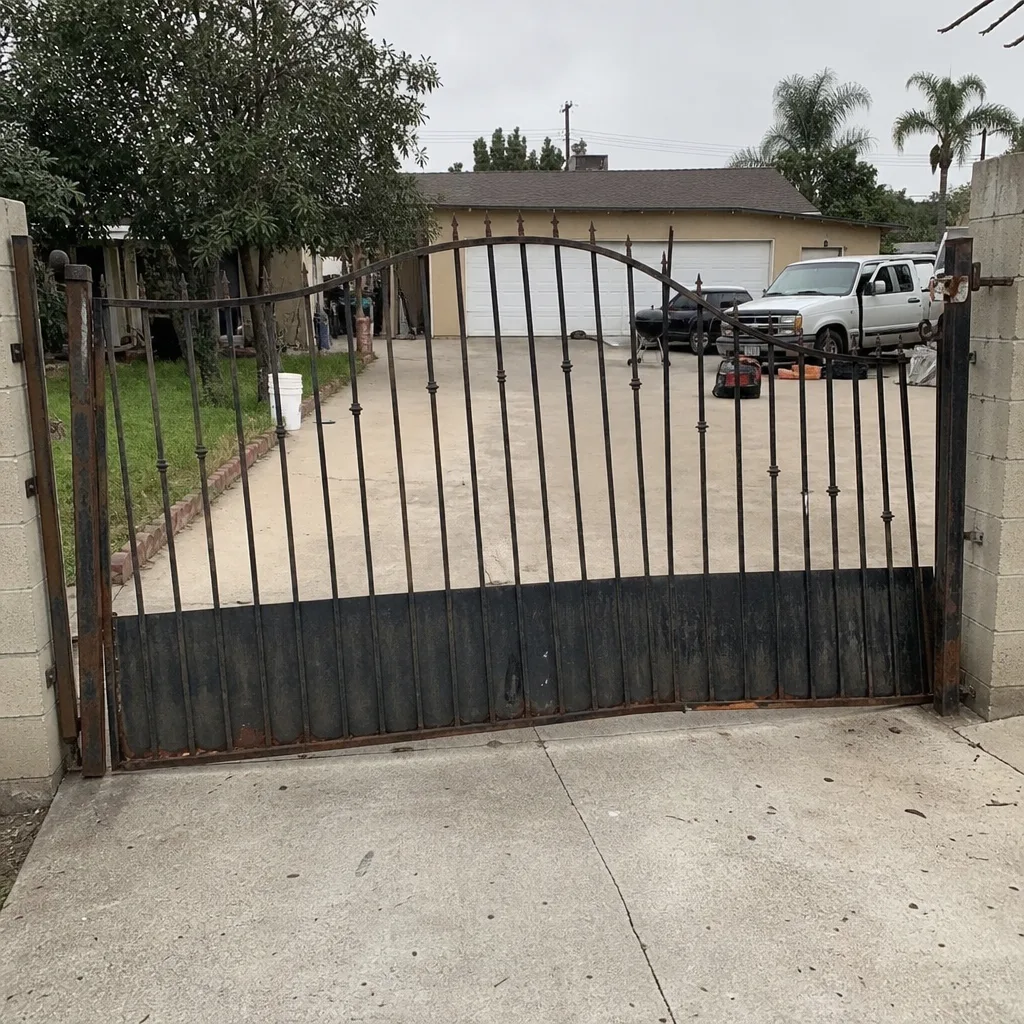 Before
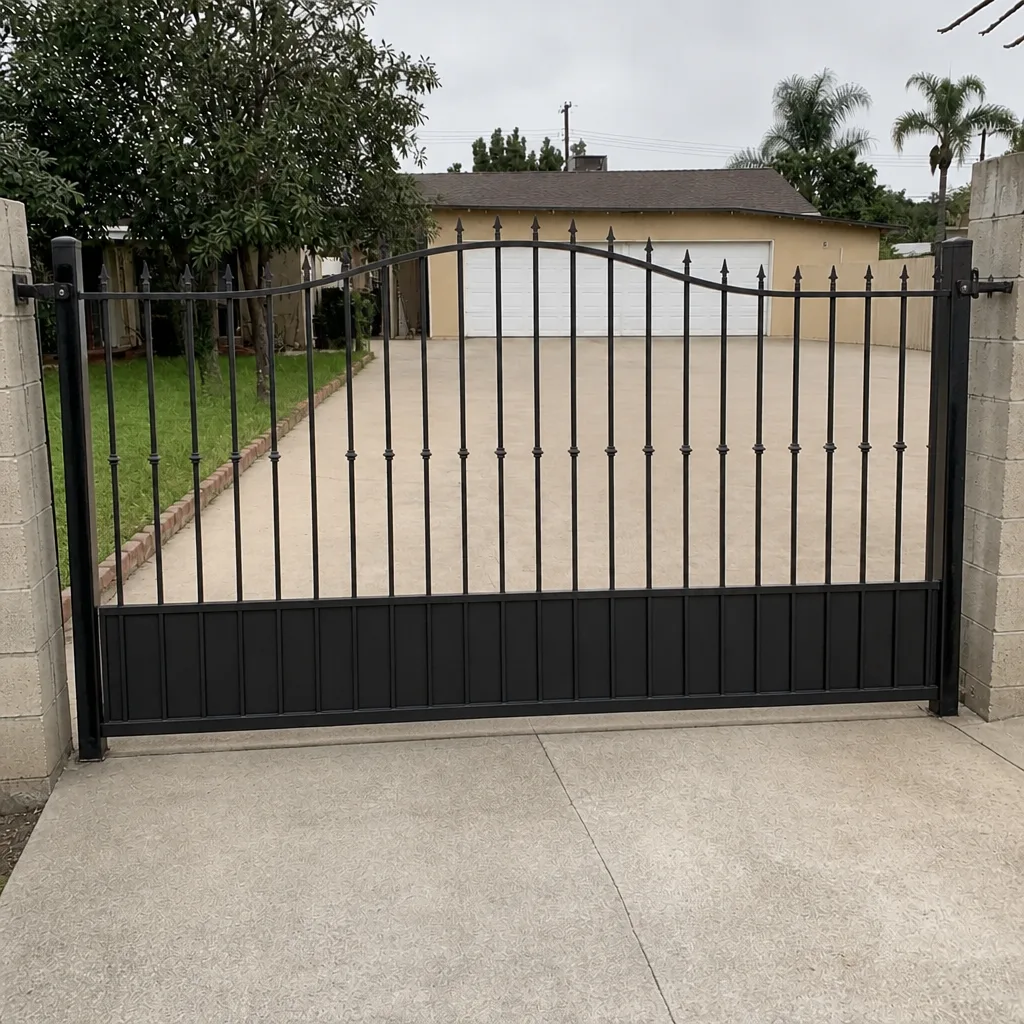 After
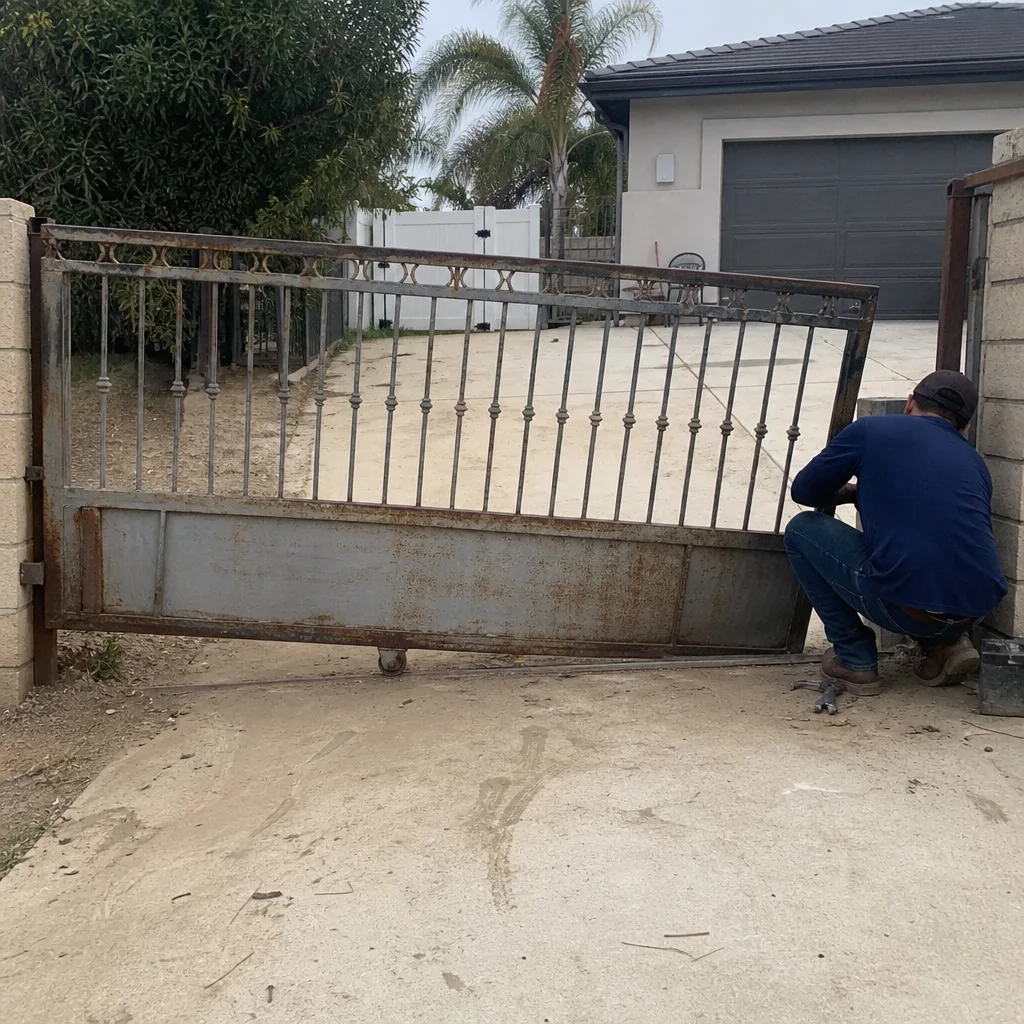 Before
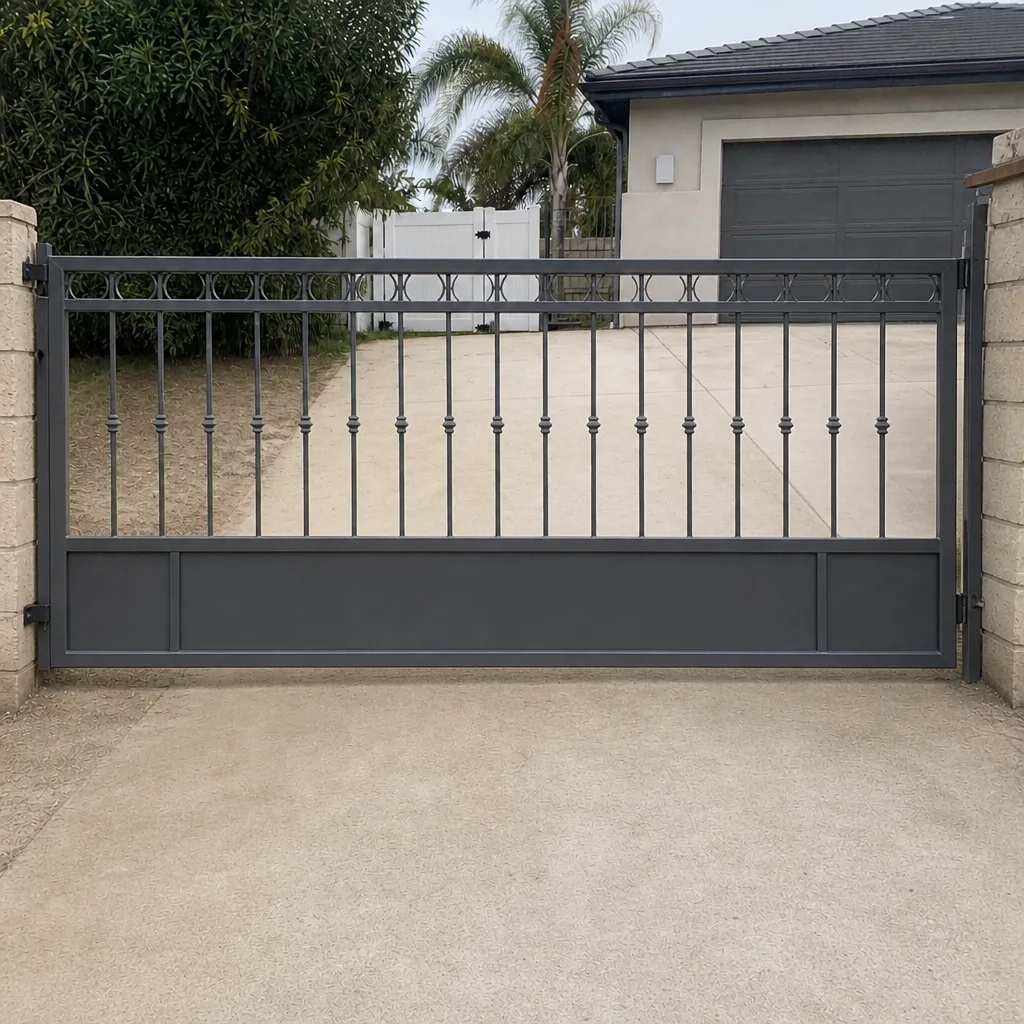 After
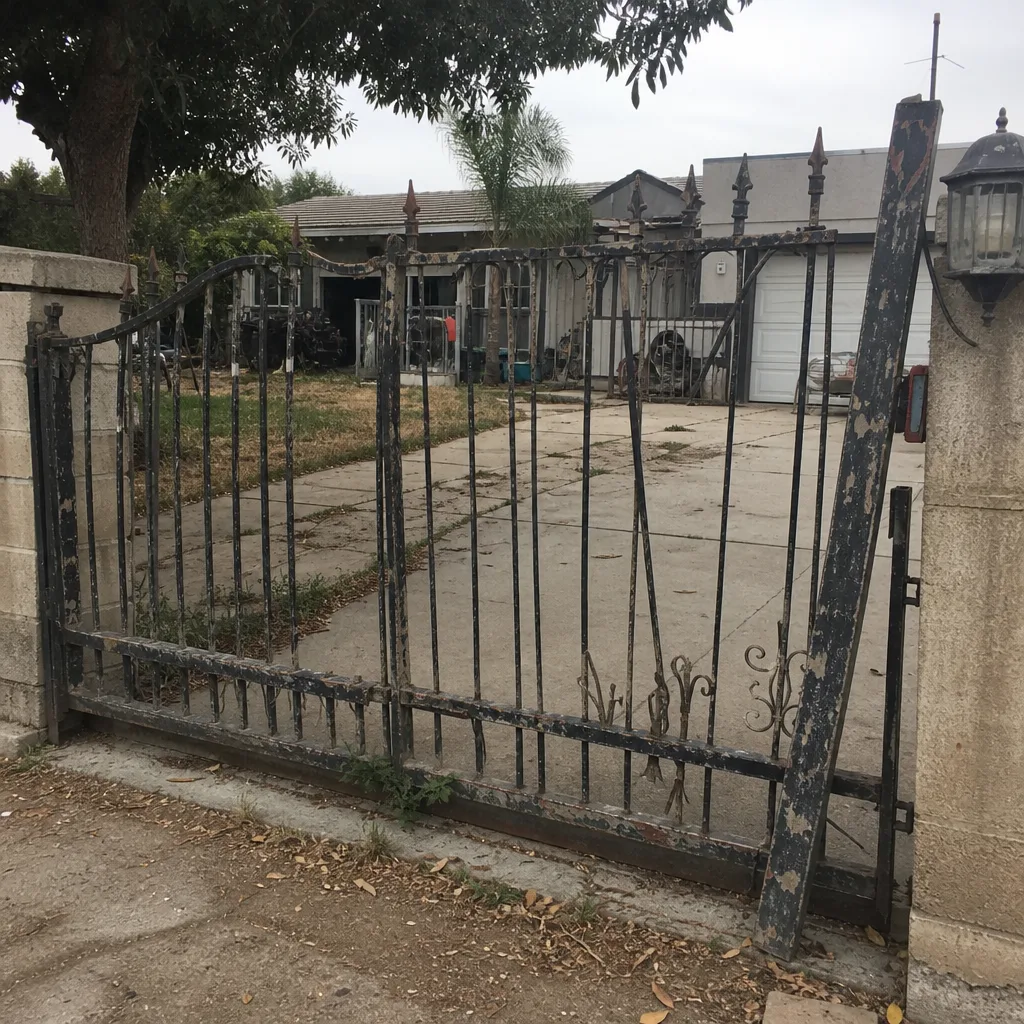 Before
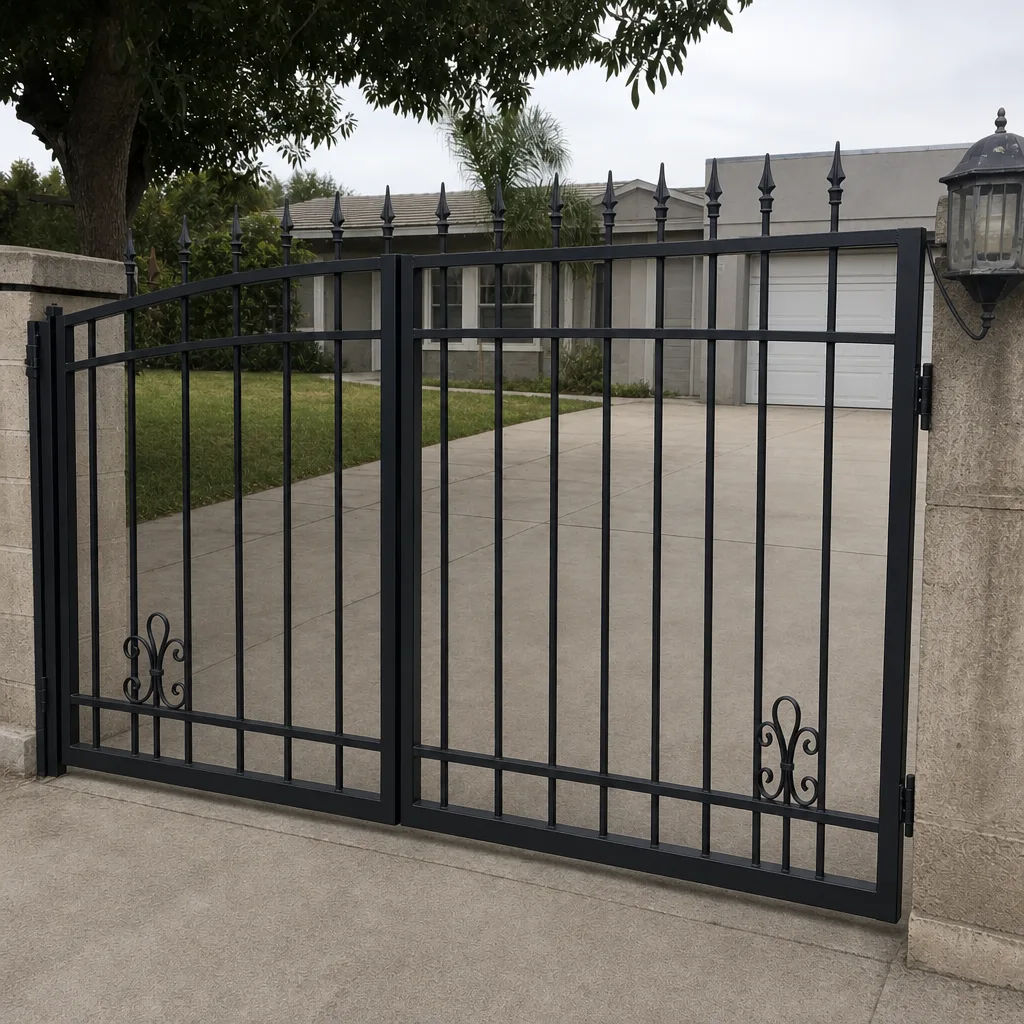 After